La bande dessinée · Parue le 25 juin 2026
Scélérats !L’intelligence des rats passée au peigne fin.
Pourquoi les rats nous fascinent-ils autant qu’ils nous dégoûtent ? Une plongée documentée, drôle et dessinée dans la tête d’un animal que l’on connaît beaucoup moins qu’on ne le croit.
Découvrir le livre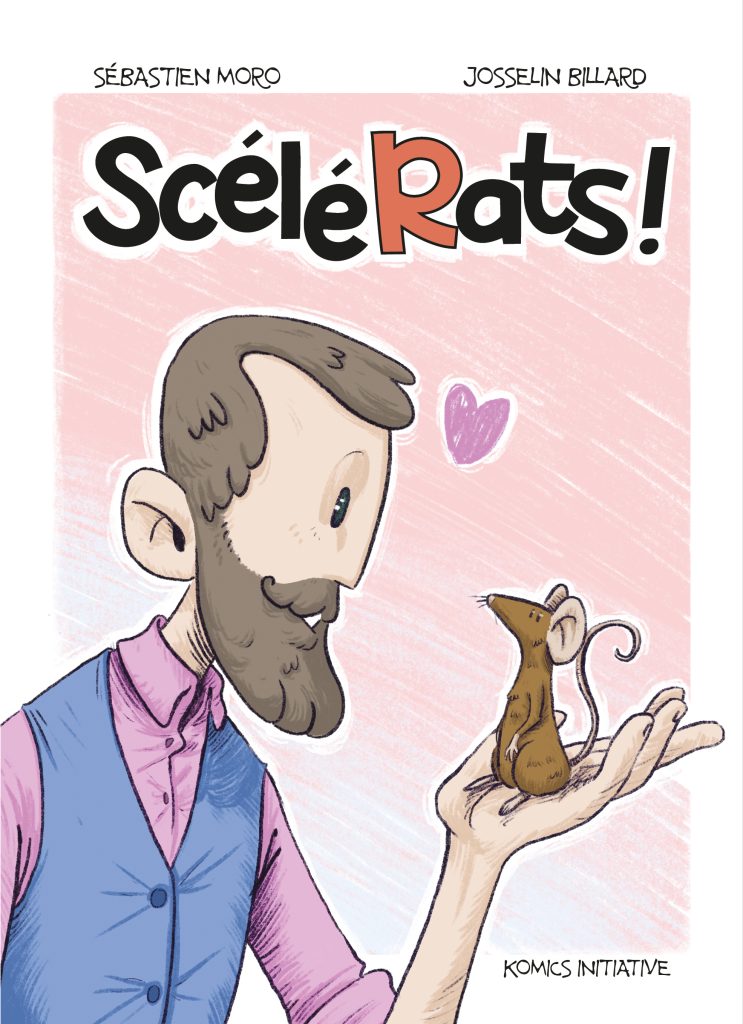
Scélérats est sorti !!
Le 25 juin est là, et avec lui, la sortie de « Scélérats !« , en collaboration avec le talentueux Josselin Billard aux éditions Komics Initiative !
264 pages de synthèse scientifique drôle et rigoureuse sur les mammifères les plus détestés de la planète : LES RATS !
J’espère qu’il vous plaira et que les magnifiques dessins de Josselin vous le rendront mémorable !
A présent, il est temps de remettre en question tout ce que vous pensiez savoir sur les rats !
L’ouvrage n’est pas disponible sur Amazon. Il apparaît sur leur site, mais c’est un artefact d’Amazon. La maison d’édition n’a pas d’accord de vente avec eux pour des raisons éthiques.
Ne l’achetez pas par ce biais, la commande n’aboutira pas.
Mais vous pouvez trouver le livre partout ailleurs chez votre libraire préféré !
https://www.komics-initiative.com/catalogue-ouvrages-comics/scelerats/
https://www.fnac.com/a22529039/Josselin-Billard-Scelerats
https://www.gibert.com/scelerats-14531800.html
https://www.bdfugue.com/scelerats?srsltid=AfmBOop3eYbA0GeX9FQTVBhEStRsaczw10L1RqfnXbQEJLkGzo0Bi97N
https://www.canalbd.net/bulles-en-tete-le-peletier/articles/scelerats-1255519/
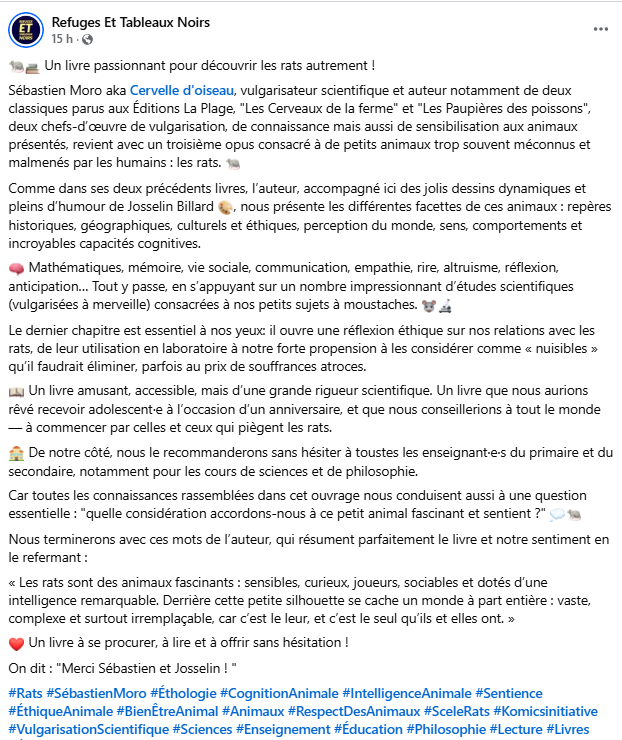
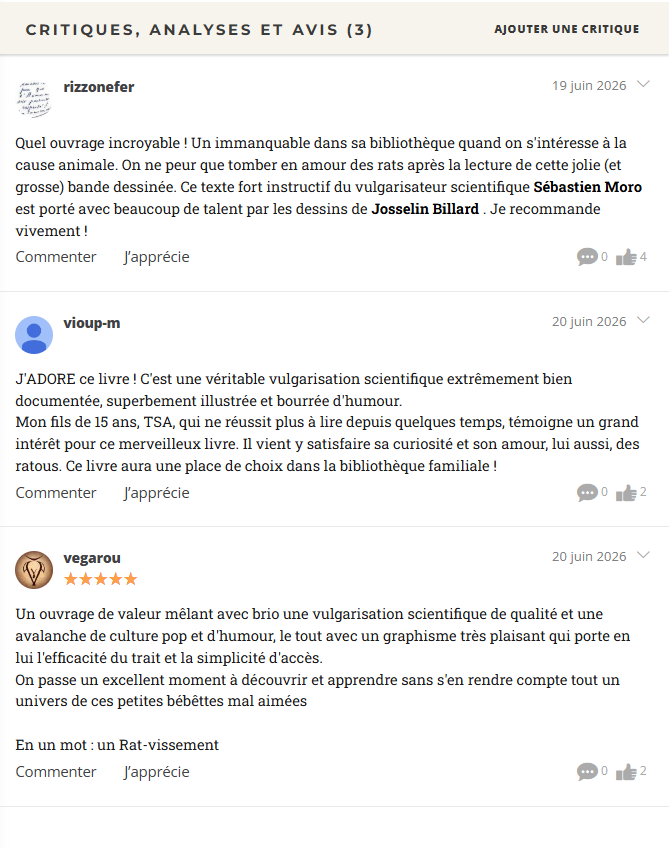
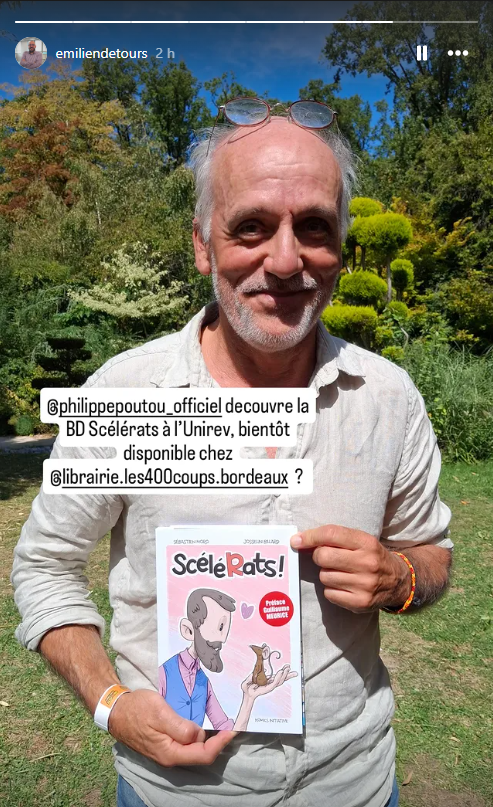
N’hésitez pas à partager vos retours et votre avis sur les réseaux en me taguant et/ou en taguant Josselin, ou sur les sites de vente !
Autre possibilité : https://www.babelio.com/livres/Sebastien-Scelerats/2058428
Merci à toutes les personnes qui ont rendu ce projet possible, et à vous toutes et tous !
Bibliographie
00 – INTRODUCTION
Munshi-South, J., Garcia, J. A., Orton, D., & Phifer-Rixey, M. (2024). The evolutionary history of wild and domestic brown rats ( Rattus norvegicus ). Science, 385(6715), 1292–1297. https://doi.org/10.1126/science.adp1166
Zeng, L., Ming, C., Li, Y., Su, L.-Y., Su, Y.-H., Otecko, N. O., Dalecky, A., Donnellan, S., Aplin, K., Liu, X.-H., Song, Y., Zhang, Z.-B., Esmailizadeh, A., Sohrabi, S. S., Nanaei, H. A., Liu, H.-Q., Wang, M.-S., Atteynine, S. A., Rocamora, G., … Zhang, Y.-P. (2016). Evolutionary history of the brown rat: Out of southern East Asia and selection. Evolutionary Biology. https://doi.org/10.1101/096800
01 – UNE VISION DÉROUTANTE
Buhusi, C. V., Perera, D., & Meck, W. H. (2005). Memory for timing visual and auditory signals in albino and pigmented rats. Journal of Experimental Psychology: Animal Behavior Processes. https://doi.org/10.1037/0097-7403.31.1.18
Burn, C. C. (2008). What is it like to be a rat? Rat sensory perception and its implications for experimental design and rat welfare. Applied Animal Behaviour Science. https://doi.org/10.1016/j.applanim.2008.02.007
Dean, P. (1981). Visual pathways and acuity hooded rats. Behavioural Brain Research, 3(2), 239–271. https://doi.org/10.1016/0166-4328(81)90050-4
Djurdjevic, V., Ansuini, A., Bertolini, D., Macke, J. H., & Zoccolan, D. (2018). Accuracy of Rats in Discriminating Visual Objects Is Explained by the Complexity of Their Perceptual Strategy. Current Biology, 28(7), 1005-1015.e5. https://doi.org/10.1016/j.cub.2018.02.037
Douglas, R. M., Neve, A., Quittenbaum, J. P., Alam, N. M., & Prusky, G. T. (2006). Perception of visual motion coherence by rats and mice. Vision Research, 46(18), 2842–2847. https://doi.org/10.1016/j.visres.2006.02.025
Land, M. F. (2013). Animal Vision: Rats Watch the Sky. Current Biology, 23(14), R611–R613. https://doi.org/10.1016/j.cub.2013.06.015
Maaswinkel, H., & Whishaw, I. Q. (1999). Homing with locale, taxon, and dead reckoning strategies by foraging rats: Sensory hierarchy in spatial navigation. Behavioural Brain Research, 99(2), 143–152. https://doi.org/10.1016/S0166-4328(98)00100-4
MacKinnon, L. M., Troje, N. F., & Dringenberg, H. C. (2010). Do rats (Rattus norvegicus) perceive biological motion? Experimental Brain Research, 205(4), 571–576. https://doi.org/10.1007/s00221-010-2378-0
Meier, P. M., & Reinagel, P. (2013). Rats and humans differ in processing collinear visual features. Frontiers in Neural Circuits, 7. https://doi.org/10.3389/fncir.2013.00197
Nikbakht, N., & Diamond, M. E. (2021). Conserved visual capacity of rats under red light. eLife, 10, e66429. https://doi.org/10.7554/eLife.66429
Niklaus, S., Albertini, S., Schnitzer, T. K., & Denk, N. (2020). Challenging a Myth and Misconception: Red-Light Vision in Rats. Animals, 10(3), Article 3. https://doi.org/10.3390/ani10030422
The Visual Acuity of Rats in Touchscreen Setups. (2025). ResearchGate. https://doi.org/10.3390/vision4010004
Pellis, S. (1996). Uses of vision by rats in play fighting and other close-quarter social interactions. Physiology & Behavior, 59(4–5), 905–913. https://doi.org/10.1016/0031-9384(95)02162-0
Prusky, G. T., Harker, K. T., Douglas, R. M., & Whishaw, I. Q. (2002). Variation in visual acuity within pigmented, and between pigmented and albino rat strains. Behavioural Brain Research, 136(2), 339–348. https://doi.org/10.1016/S0166-4328(02)00126-2
Reinagel, P. (2015). Using rats for vision research. Neuroscience, 296, 75–79. https://doi.org/10.1016/j.neuroscience.2014.12.025
Sakata, S., Yamamori, T., & Sakurai, Y. (2004). Behavioral studies of auditory-visual spatial recognition and integration in rats. Experimental Brain Research. https://doi.org/10.1007/s00221-004-1962-6
Sangma, J. T., Renthlei, Z., & Trivedi, A. K. (2024). Bright daylight produces negative effects on affective and cognitive outcomes in nocturnal rats. Journal of Photochemistry and Photobiology B: Biology, 253, 112885. https://doi.org/10.1016/j.jphotobiol.2024.112885
Swan, M., Horvath, A., Pritchett, R. K., Barabas, A. J., Hickman, D., & Gaskill, B. N. (2024). The Future Is Not Bright: Evaluation of Rat Preferences for Color and Intensity of Light. Animals, 14(14), Article 14. https://doi.org/10.3390/ani14142045
Von Der Emde, G., & Warrant, E. (Eds). (2016). The Ecology of Animal Senses. Springer International Publishing. https://doi.org/10.1007/978-3-319-25492-0
Wallace, D. J., Greenberg, D. S., Sawinski, J., Rulla, S., Notaro, G., Notaro, G., & Kerr, J. N. D. (2013). Rats maintain an overhead binocular field at the expense of constant fusion. Nature. https://doi.org/10.1038/nature12153
02 – INTERLUDE VOYAGE AU RAJASTHAN
https://en.wikipedia.org/wiki/Karni_Mata_Temple
https://indiainstyle.in/article/karni-mata-rat-temple
03 – UN ODORAT EXCEPTIONNEL
Dielenberg, R. A., Carrive, P., & McGregor, I. S. (2001). The cardiovascular and behavioral response to cat odor in rats: Unconditioned and conditioned effects. Brain Research. https://doi.org/10.1016/s0006-8993(01)02227-2
Dielenberg, R. A., Hunt, G. E., & McGregor, I. S. (2001). ‘When a rat smells a cat’: The distribution of Fos immunoreactivity in rat brain following exposure to a predatory odor. Neuroscience. https://doi.org/10.1016/s0306-4522(01)00150-6
Dielenberg, R. A., & McGregor, I. S. (1999). Habituation of the hiding response to cat odor in rats (Rattus norvegicus). Journal of Comparative Psychology. https://doi.org/10.1037/0735-7036.113.4.376
Dielenberg, R. A., & McGregor, I. S. (2001). Defensive behavior in rats towards predatory odors: A review. Neuroscience & Biobehavioral Reviews. https://doi.org/10.1016/s0149-7634(01)00044-6
Fanselow, M. S. (1985). Odors released by stressed rats produce opioid analgesia in unstressed rats. Behavioral Neuroscience. https://doi.org/10.1037/0735-7044.99.3.589
Gerber, N., Schweinfurth, M. K., & Taborsky, M. (2020). The smell of cooperation: Rats increase helpful behaviour when receiving odour cues of a conspecific performing a cooperative task. Proceedings of the Royal Society B: Biological Sciences, 287(1939), 20202327. https://doi.org/10.1098/rspb.2020.2327
Gheusi, G., Bluthé, R.-M., Goodall, G., & Dantzer, R. (1994). Social and individual recognition in rodents: Methodological aspects and neurobiological bases. Behavioural Processes, 33(1–2), 59–87. https://doi.org/10.1016/0376-6357(94)90060-4
Gheusi, G., Goodall, G., & Dantzer, R. (1997). Individually distinctive odours represent individual conspecifics in rats. Animal Behaviour, 53(5), 935–944. https://doi.org/10.1006/anbe.1996.0314
López, M., Dwyer, D. M., Gasalla, P., Begega, A., & Jove, C. (2023). Odor-taste pairings lead to the acquisition of negative hedonic qualities by the odor in aversion learning. Physiology & Behavior, 114269. https://doi.org/10.1016/j.physbeh.2023.114269
Lydell, K. W., & Doty, R. L. (1972). Male rat odor preferences for female urine as a function of sexual experience, urine age, and urine source. Hormones and Behavior. https://doi.org/10.1016/0018-506x(72)90033-5
Mackay-Sim, A., & Laing, D. G. (1980). Discrimination of odors from stressed rats by non-stressed rats. Physiology & Behavior. https://doi.org/10.1016/0031-9384(80)90400-x
Mackay-Sim, A., & Laing, D. G. (1981). The sources of odors from stressed rats. Physiology & Behavior. https://doi.org/10.1016/0031-9384(81)90340-1
McGregor, I. S., Hargreaves, G. A., Apfelbach, R., & Hunt, G. E. (2004). Neural correlates of cat odor-induced anxiety in rats: Region-specific effects of the benzodiazepine midazolam. The Journal of Neuroscience. https://doi.org/10.1523/jneurosci.0187-04.2004
McGregor, I. S., Schrama, L., Ambermoon, P., & Dielenberg, R. A. (2002). Not all ‘predator odours’ are equal: Cat odour but not 2,4,5 trimethylthiazoline (TMT; fox odour) elicits specific defensive behaviours in rats. Behavioural Brain Research. https://doi.org/10.1016/s0166-4328(01)00324-2
Panhuber, H. (1982). Effect of odor quality and intensity on conditioned odor aversion learning in the rat. Physiology & Behavior. https://doi.org/10.1016/0031-9384(82)90116-0
Richardson, R., Vishney, A., & Lee, J. (1999). Conditioned odor potentiation of startle in rats. Behavioral Neuroscience. https://doi.org/10.1037//0735-7044.113.4.787
Rosen, J. B., West, E. A., West, E. A., & Donley, M. P. (2006). Not all rat strains are equal: Differential unconditioned fear responses to the synthetic fox odor 2,4,5-trimethylthiazoline in three outbred rat strains. Behavioral Neuroscience. https://doi.org/10.1037/0735-7044.120.2.290
Schneeberger, K., Röder, G., & Taborsky, M. (2020). The smell of hunger: Norway rats provision social partners based on odour cues of need. PLOS Biology, 18(3), e3000628. https://doi.org/10.1371/journal.pbio.3000628
Storsberg, S., Kröber, A., Rafał Stryjek, Modlinska, K., Fendt, M., Roskoden, T., & Wernecke, K. (2016). (How) Does domestication affect predator odor induced innate fear behavior in rats? https://doi.org/10.13140/RG.2.1.4079.0647
Storsberg, S., Stryjek, R., Modlińska, K., Gottswinter, K., D’Hanis, W., Kröber, A., Wernecke, K. E. A., Roskoden, T., & Fendt, M. (2018). Predator odor induced defensive behavior in wild and laboratory rats: A comparative study. Physiology & Behavior, 194, 341–347. https://doi.org/10.1016/j.physbeh.2018.06.009
Valenta, J. G., & Rigby, M. K. (1968). Discrimination of the odor of stressed rats. Science (New York, N.Y.). https://doi.org/10.1126/science.161.3841.599
Vernet-Maury, E., Polak, E. H., & Demael, A. (1984). Structure-activity relationship of stress-inducing odorants in the rat. Journal of Chemical Ecology. https://doi.org/10.1007/bf00987509
Wallace, D. G., Gorny, B., & Whishaw, I. Q. (2002). Rats can track odors, other rats, and themselves: Implications for the study of spatial behavior. Behavioural Brain Research, 131(1–2), 185–192. https://doi.org/10.1016/S0166-4328(01)00384-9
Wallace, K. J., & Rosen, J. B. (2000). Predator odor as an unconditioned fear stimulus in rats: Elicitation of freezing by trimethylthiazoline, a component of fox feces. Behavioral Neuroscience. https://doi.org/10.1037/0735-7044.114.5.912
Wesson, D. W., Verhagen, J. V., & Wachowiak, M. (2009). Why sniff fast? The relationship between sniff frequency, odor discrimination, and receptor neuron activation in the rat. Journal of Neurophysiology. https://doi.org/10.1152/jn.90981.2008
Wolff, B. F., Galizio, M., & Bruce, K. (2024). This or not that: Select and reject control of relational responding in rats using a blank comparison procedure with odor stimuli. Animal Cognition, 27(1), 44. https://doi.org/10.1007/s10071-024-01881-7
Youngentob, S. L., Mozell, M. M., Sheehe, P. R., & Hornung, D. E. (1987). A quantitative analysis of sniffing strategies in rats performing odor detection tasks. Physiology & Behavior. https://doi.org/10.1016/0031-9384(87)90131-4
04 – DE MAGNIFIQUES MOUSTACHES
Adibi, M., Diamond, M. E., & Arabzadeh, E. (2012). Behavioral study of whisker-mediated vibration sensation in rats. Proceedings of the National Academy of Sciences, 109(3), 971–976. https://doi.org/10.1073/pnas.1116726109
Ahissar, E., & Knutsen, P. M. (2008). Object localization with whiskers. Biological Cybernetics. https://doi.org/10.1007/s00422-008-0214-4
Arkley, K., Grant, R. A., Mitchinson, B., & Prescott, T. J. (2014). Strategy change in vibrissal active sensing during rat locomotion. Current Biology. https://doi.org/10.1016/j.cub.2014.05.036
Belli, H. M., Bresee, C. S., Graff, M. M., & Hartmann, M. J. Z. (2018). Quantifying the three-dimensional facial morphology of the laboratory rat with a focus on the vibrissae. PLOS ONE, 13(4), e0194981. https://doi.org/10.1371/journal.pone.0194981
Berg, R. W., & Kleinfeld, D. (2003). Rhythmic whisking by rat: Retraction as well as protraction of the vibrissae is under active muscular control. Journal of Neurophysiology. https://doi.org/10.1152/jn.00600.2002
Birdwell, J. A., Solomon, J. H., Thajchayapong, M., Taylor, M. A., Cheely, M., Towal, R. B., Conradt, J., & Hartmann, M. J. Z. (2007). Biomechanical models for radial distance determination by the rat vibrissal system. Journal of Neurophysiology. https://doi.org/10.1152/jn.00707.2006
Blanchard, R. J., Takahashi, L. K., Fukunaga, K. K., & Blanchard, D. C. (1977). Functions of the vibrissae in the defensive and aggressive behavior of the rat. Aggressive Behavior. https://doi.org/10.1002/1098-2337(1977)3:3%253C231::aid-ab2480030304%253E3.0.co;2-5
Bobrov, E., Wolfe, J., Wolfe, J. H., Rao, R. P., & Brecht, M. (2014). The representation of social facial touch in rat barrel cortex. Current Biology. https://doi.org/10.1016/j.cub.2013.11.049
Boubenec, Y. (2012). Collecte d’information tactile chez le rat: Biomécanique de la vibrisse et stratégie d’exploration.
Boubenec, Y., Shulz, D. E., & Debrégeas, G. (2012). Whisker encoding of mechanical events during active tactile exploration. Frontiers in Behavioral Neuroscience. https://doi.org/10.3389/fnbeh.2012.00074
Brecht, M., Schneider, M., Sakmann, B., & Margrie, T. W. (2004). Whisker movements evoked by stimulation of single pyramidal cells in rat motor cortex. Nature. https://doi.org/10.1038/nature02266
Bresee, C. S., Belli, H. M., Luo, Y., & Hartmann, M. J. Z. (2023). Comparative morphology of the whiskers and faces of mice (Mus musculus) and rats (Rattus norvegicus). Journal of Experimental Biology, 226(19), jeb245597. https://doi.org/10.1242/jeb.245597
Burn, C. C. (2008). What is it like to be a rat? Rat sensory perception and its implications for experimental design and rat welfare. Applied Animal Behaviour Science. https://doi.org/10.1016/j.applanim.2008.02.007
Carvell, G. E., & Simons, D. J. (1990). Biometric analyses of vibrissal tactile discrimination in the rat. The Journal of Neuroscience. https://doi.org/10.1523/jneurosci.10-08-02638.1990
Deschênes, M., Moore, J. D., & Kleinfeld, D. (2012). Sniffing and whisking in rodents. Current Opinion in Neurobiology. https://doi.org/10.1016/j.conb.2011.11.013
Deutsch, D., Pietr, M., Knutsen, P. M., Ahissar, E., & Schneidman, E. (2012). Fast feedback in active sensing: Touch-induced changes to whisker-object interaction. PLOS ONE. https://doi.org/10.1371/journal.pone.0044272
Diamond, M. E. (2010). Texture sensation through the fingertips and the whiskers. Current Opinion in Neurobiology. https://doi.org/10.1016/j.conb.2010.03.004
Diamond, M. E., von Heimendahl, M., Knutsen, P. M., Kleinfeld, D., & Ahissar, E. (2008). ‘Where’ and ‘what’ in the whisker sensorimotor system. Nature Reviews Neuroscience. https://doi.org/10.1038/nrn2411
Estebanez, L., Boustani, S. E., Destexhe, A., & Shulz, D. E. (2014). Ce que les vibrisses disent au cerveau tactile. médecine/sciences, 30(1), 93–98. https://doi.org/10.1051/medsci/20143001019
Evans, M. H., Loft, M. S. E., Campagner, D., & Petersen, R. S. (2019). Sensing the Environment With Whiskers. In Oxford Research Encyclopedia of Neuroscience. https://doi.org/10.1093/acrefore/9780190264086.013.226
Fox, C., Mitchinson, B., Pearson, M. J., Pipe, A. G., & Prescott, T. J. (2009). Contact type dependency of texture classification in a whiskered mobile robot. Autonomous Robots. https://doi.org/10.1007/s10514-009-9109-z
Friedman, W. A., Jones, L. M., Cramer, N. P., Kwegyir-Afful, E. E., Zeigler, H. P., & Keller, A. (2006). Anticipatory activity of motor cortex in relation to rhythmic whisking. Journal of Neurophysiology. https://doi.org/10.1152/jn.00945.2005
Friedman, W. A., Zeigler, H. P., & Keller, A. (2012). Vibrissae motor cortex unit activity during whisking. Journal of Neurophysiology. https://doi.org/10.1152/jn.01132.2010
Ganguly, K., & Kleinfeld, D. (2004). Goal-directed whisking increases phase-locking between vibrissa movement and electrical activity in primary sensory cortex in rat. Proceedings of the National Academy of Sciences of the United States of America. https://doi.org/10.1073/pnas.0308470101
Grant, R. A., Haidarliu, S., Kennerley, N. J., & Prescott, T. J. (2013). The evolution of active vibrissal sensing in mammals: Evidence from vibrissal musculature and function in the marsupial opossum Monodelphis domestica. The Journal of Experimental Biology. https://doi.org/10.1242/jeb.087452
Grant, R. A., Mitchinson, B., & Prescott, T. J. (2012). The development of whisker control in rats in relation to locomotion. Developmental Psychobiology. https://doi.org/10.1002/dev.20591
Grant, R. A., Sperber, A. L., & Prescott, T. J. (2012). The role of orienting in vibrissal touch sensing. Frontiers in Behavioral Neuroscience. https://doi.org/10.3389/fnbeh.2012.00039
Gugig, E., Sharma, H., & Azouz, R. (2020). Gradient of tactile properties in the rat whisker pad. PLOS Biology, 18(10), e3000699. https://doi.org/10.1371/journal.pbio.3000699
Haidarliu, S., Golomb, D., Kleinfeld, D., & Ahissar, E. (2012). Dorsorostral snout muscles in the rat subserve coordinated movement for whisking and sniffing. Anatomical Record-Advances in Integrative Anatomy and Evolutionary Biology. https://doi.org/10.1002/ar.22501
Haidarliu, S., Simony, E., Golomb, D., & Ahissar, E. (2010). Muscle architecture in the mystacial pad of the rat. Anatomical Record-Advances in Integrative Anatomy and Evolutionary Biology. https://doi.org/10.1002/ar.21156
Haiss, F., & Schwarz, C. (2005). Spatial segregation of different modes of movement control in the whisker representation of rat primary motor cortex. The Journal of Neuroscience. https://doi.org/10.1523/jneurosci.3760-04.2005
Hartmann, M. J. Z. (2001). Active sensing capabilities of the rat whisker system. Autonomous Robots. https://doi.org/10.1023/a:1012439023425
Hartmann, M. J. Z. (2011). A night in the life of a rat: Vibrissal mechanics and tactile exploration. Annals of the New York Academy of Sciences, 1225(1), 110–118. https://doi.org/10.1111/j.1749-6632.2011.06007.x
Hartmann, M. J. Z., Johnson, N. J., Towal, R. B., & Assad, C. (2003). Mechanical characteristics of rat vibrissae: Resonant frequencies and damping in isolated whiskers and in the awake behaving animal. The Journal of Neuroscience. https://doi.org/10.1523/jneurosci.23-16-06510.2003
Hayashi, Y., Alamir, N., Sun, G., Tamagnini, F., Hayashi, Y., Williams, C., & Zheng, Y. (2024). An effective textured Novel Object Recognition Test (tNORT) for repeated measure of whisker sensitivity of rodents. Behavioural Brain Research, 472, 115153. https://doi.org/10.1016/j.bbr.2024.115153
Herfst, L., & Brecht, M. (2008). Whisker movements evoked by stimulation of single motor neurons in the facial nucleus of the rat. Journal of Neurophysiology. https://doi.org/10.1152/jn.01014.2007
Hires, S. A., Pammer, L., Svoboda, K., & Golomb, D. (2013). Tapered whiskers are required for active tactile sensation. eLife, 2, e01350. https://doi.org/10.7554/eLife.01350
Hobbs, J. A., Towal, R. B., & Hartmann, M. J. Z. (2016). Evidence for Functional Groupings of Vibrissae across the Rodent Mystacial Pad. PLOS Computational Biology, 12(1), e1004109. https://doi.org/10.1371/journal.pcbi.1004109
Huet, L. A., & Hartmann, M. J. Z. (2014). The search space of the rat during whisking behavior. The Journal of Experimental Biology. https://doi.org/10.1242/jeb.105338
Huet, L. A., Schroeder, C. L., & Hartmann, M. J. Z. (2015). Tactile signals transmitted by the vibrissa during active whisking behavior. Journal of Neurophysiology, 113(10), 3511–3518. https://doi.org/10.1152/jn.00011.2015
Ibrahim, L., Ibrahim, L., & Wright, E. A. (1975). The growth of rats and mice vibrissae under normal and some abnormal conditions. Development (Cambridge, England). https://doi.org/null
Kleinfeld, D. (2009). Vibrissa Movement, Sensation and Sensorimotor Control. In Encyclopedia of Neuroscience (pp. 155–177). Elsevier. https://doi.org/10.1016/B978-008045046-9.01351-6
Krieger, P., & Groh, A. (Eds). (2015). Sensorimotor Integration in the Whisker System. Springer New York. https://doi.org/10.1007/978-1-4939-2975-7
Krupa, D. J., Matell, M. S., Brisben, A. J., Oliveira, L. M. O., & Nicolelis, M. A. L. (2001). Behavioral properties of the trigeminal somatosensory system in rats performing whisker-dependent tactile discriminations. The Journal of Neuroscience. https://doi.org/10.1523/jneurosci.21-15-05752.2001
Leiser, S. C., Leiser, S. C., & Moxon, K. A. (2007). Responses of trigeminal ganglion neurons during natural whisking behaviors in the awake rat. Neuron. https://doi.org/10.1016/j.neuron.2006.10.036
Macintosh, S. R. (1975). Observations on the structural and innervation of the rat snout. Journal of Anatomy. https://doi.org/null
McDonald, J. S., McDonald, J., Adibi, M., Clifford, C. W. G., & Arabzadeh, E. (2014). Sampling time and performance in rat whisker sensory system. PLOS ONE. https://doi.org/10.1371/journal.pone.0116357
Mehta, S. B., Whitmer, D., Figueroa, R., Williams, B. A., & Kleinfeld, D. (2007). Active Spatial Perception in the Vibrissa Scanning Sensorimotor System. PLOS Biology, 5(2), e15. https://doi.org/10.1371/journal.pbio.0050015
Mercado, E., & Zhuo, J. (2024). Do rodents smell with sound? Neuroscience & Biobehavioral Reviews, 167, 105908. https://doi.org/10.1016/j.neubiorev.2024.105908
Meyer, M. E., & Meyer, M. E. (1992). The effects of bilateral and unilateral vibrissotomy on behavior within aquatic and terrestrial environments. Physiology & Behavior. https://doi.org/10.1016/0031-9384(92)90129-p
Mitchinson, B., Martin, C., Grant, R. A., & Prescott, T. J. (2007). Feedback control in active sensing: Rat exploratory whisking is modulated by environmental contact. Proceedings of The Royal Society B: Biological Sciences. https://doi.org/10.1098/rspb.2006.0347
Mitchinson, B., & Prescott, T. J. (2013). Whisker movements reveal spatial attention: A unified computational model of active sensing control in the rat. PLOS Computational Biology. https://doi.org/10.1371/journal.pcbi.1003236
Mugnaini, M., Mehrotra, D., Davoine, F., Sharma, V., Mendes, A. R., Gerhardt, B., Concha-Miranda, M., Brecht, M., & Clemens, A. M. (2023). Supra-orbital whiskers act as wind-sensing antennae in rats. PLOS Biology, 21(7), e3002168. https://doi.org/10.1371/journal.pbio.3002168
Nelinger, G., Saraf-Sinik, I., & Ahissar, E. (2025). Object detection through dynamic motor-sensory convergence.
Parmiani, P., Lucchetti, C., & Franchi, G. (2018). Whisker and Nose Tactile Sense Guide Rat Behavior in a Skilled Reaching Task. Frontiers in Behavioral Neuroscience, 12. https://doi.org/10.3389/fnbeh.2018.00024
Parmiani, P., Lucchetti, C., Viaro, R., Fadiga, L., & Franchi, G. (2025). Long and Short Whiskers Help Guide and Regulate the Precision of Rat Orientation Behavior. European Journal of Neuroscience, 61(12), e70169. https://doi.org/10.1111/ejn.70169
Parmiani, P., Lucchetti, C., Viaro, R., & Franchi, G. (2023a). Long and short whiskers differently guide snout/pellet interaction in rat oral grasping. European Journal of Neuroscience, 58(3), 2724–2745. https://doi.org/10.1111/ejn.16086
Parmiani, P., Lucchetti, C., Viaro, R., & Franchi, G. (2023b). Long and short whiskers differently guide snout/pellet interaction in rat oral grasping. European Journal of Neuroscience, 58(3), 2724–2745. https://doi.org/10.1111/ejn.16086
Polat, L., Harpaz, T., & Zaidel, A. (2024). Rats rely on airflow cues for self-motion perception. Current Biology, 0(0). https://doi.org/10.1016/j.cub.2024.08.001
Prescott, T. J., Mitchinson, B., & Grant, R. A. (2016a). Vibrissal Behavior and Function. In T. Prescott, E. Ahissar, & E. Izhikevich (Eds), Scholarpedia of Touch (pp. 103–116). Atlantis Press. https://doi.org/10.2991/978-94-6239-133-8_7
Prescott, T. J., Mitchinson, B., & Grant, R. A. (2016b). Vibrissal Behavior and Function. In T. Prescott, E. Ahissar, & E. Izhikevich (Eds), Scholarpedia of Touch (pp. 103–116). Atlantis Press. https://doi.org/10.2991/978-94-6239-133-8_7
Prigg, T., Goldreich, D., Carvell, G. E., & Simons, D. J. (2002). Texture discrimination and unit recordings in the rat whisker/barrel system. Physiology & Behavior. https://doi.org/10.1016/s0031-9384(02)00917-4
Quist, B. W., Faruqi, R. A., & Hartmann, M. J. Z. (2011). Variation in Young’s modulus along the length of a rat vibrissa. Journal of Biomechanics. https://doi.org/10.1016/j.jbiomech.2011.08.027
Rao, R. P., Mielke, F., Bobrov, E., & Brecht, M. (2014). Vocalization-whisking coordination and multisensory integration of social signals in rat auditory cortex. eLife. https://doi.org/10.7554/elife.03185
Ritt, J. T., Andermann, M. L., & Moore, C. I. (2008). Embodied information processing: Vibrissa mechanics and texture features shape micromotions in actively sensing rats. Neuron. https://doi.org/10.1016/j.neuron.2007.12.024
Sachdev, R. N. S., Berg, R. W., Champney, G. C., Kleinfeld, D., & Ebner, F. F. (2003). Unilateral vibrissa contact: Changes in amplitude but not timing of rhythmic whisking. Somatosensory and Motor Research. https://doi.org/10.1080/08990220311000405208
Sofroniew, N. J., & Svoboda, K. (2015). Whisking. Current Biology, 25(4), R137–R140. https://doi.org/10.1016/j.cub.2015.01.008
Solomon, J. H., & Hartmann, M. J. Z. (2011). Radial distance determination in the rat vibrissal system and the effects of Weber’s law. Philosophical Transactions of the Royal Society B. https://doi.org/10.1098/rstb.2011.0166
Szwed, M., Bagdasarian, K., & Ahissar, E. (2003). Encoding of vibrissal active touch. Neuron. https://doi.org/10.1016/s0896-6273(03)00671-8
Tandon, S., Kambi, N., & Jain, N. (2007). Overlapping representations of the neck and whiskers in the rat motor cortex revealed by mapping at different anaesthetic depths. European Journal of Neuroscience. https://doi.org/10.1111/j.1460-9568.2007.05997.x
Towal, R. B., & Hartmann, M. J. Z. (2006). Right-left asymmetries in the whisking behavior of rats anticipate head movements. The Journal of Neuroscience. https://doi.org/10.1523/jneurosci.0581-06.2006
Towal, R. B., & Hartmann, M. J. Z. (2008). Variability in velocity profiles during free-air whisking behavior of unrestrained rats. Journal of Neurophysiology. https://doi.org/10.1152/jn.01295.2007
Towal, R. B., Quist, B. W., Gopal, V., Solomon, J. H., & Hartmann, M. J. Z. (2011a). The Morphology of the Rat Vibrissal Array: A Model for Quantifying Spatiotemporal Patterns of Whisker-Object Contact. PLOS Computational Biology, 7(4), e1001120. https://doi.org/10.1371/journal.pcbi.1001120
Towal, R. B., Quist, B. W., Gopal, V., Solomon, J. H., & Hartmann, M. J. Z. (2011b). The morphology of the rat vibrissal array: A model for quantifying spatiotemporal patterns of whisker-object contact. PLOS Computational Biology. https://doi.org/10.1371/journal.pcbi.1001120
Voigts, J., Sakmann, B., & Celikel, T. (2008). Unsupervised whisker tracking in unrestrained behaving animals. Journal of Neurophysiology. https://doi.org/10.1152/jn.00012.2008
Von Der Emde, G., & Warrant, E. (Eds). (2016). The Ecology of Animal Senses. Springer International Publishing. https://doi.org/10.1007/978-3-319-25492-0
Wallach, A., Deutsch, D., Oram, T. B., & Ahissar, E. (2020). Predictive whisker kinematics reveal context-dependent sensorimotor strategies. PLOS Biology, 18(5), e3000571. https://doi.org/10.1371/journal.pbio.3000571
Wise, T. B., Templer, V., & Burwell, R. D. (2024). Information transfer from spatial to social distance in rats: Implications for the role of the posterior parietal cortex in spatial-social integration (p. 2024.10.14.618305). bioRxiv. https://doi.org/10.1101/2024.10.14.618305
Wolfe, J., Wolfe, J. H., Mende, C., & Brecht, M. (2011). Social facial touch in rats. Behavioral Neuroscience. https://doi.org/10.1037/a0026165
Yu, Y. S. W., Bush, N. E., & Hartmann, M. J. Z. (2019). Whisker Vibrations and the Activity of Trigeminal Primary Afferents in Response to Airflow. The Journal of Neuroscience: The Official Journal of the Society for Neuroscience, 39(30), 5881–5896. https://doi.org/10.1523/JNEUROSCI.2971-18.2019
Zerda, S. H. de la, Netser, S., Magalnik, H., Briller, M., Marzan, D., Glatt, S., & Wagner, S. (2020). Social recognition in rats and mice requires integration of olfactory, somatosensory and auditory cues (p. 2020.05.05.078139). bioRxiv. https://doi.org/10.1101/2020.05.05.078139
Zuo, Y., & Diamond, M. E. (2019). Rats Generate Vibrissal Sensory Evidence until Boundary Crossing Triggers a Decision. Current Biology, 29(9), 1415-1424.e5. https://doi.org/10.1016/j.cub.2019.03.016
05 – FUN FACT NEZUMI
Kuramoto, T. (2011). Yoso-Tama-No-Kakehashi; The First Japanese Guidebook on Raising Rats. Experimental Animals, 60(1), 1–6. https://doi.org/10.1538/expanim.60.1
06 – UNE TÊTE BIEN FAITE
Fernandes, D. M., & Church, R. M. (1982). Discrimination of the number of sequential events by rats. Animal Learning & Behavior, 10(2), 171–176. https://doi.org/10.3758/BF03212266
Fountain, S. B., & Benson, D. M. (2006). Chunking, rule learning, and multiple item memory in rat interleaved serial pattern learning. Learning and Motivation, 37(2), 95–112. https://doi.org/10.1016/j.lmot.2005.09.002
González-Barriga, F., & Orduña, V. (2024). Rats’ performance in a suboptimal choice procedure implemented in a natural-foraging analogue. Animal Cognition, 27(1), 72. https://doi.org/10.1007/s10071-024-01913-2
Murphy, R. A., Mondragón, E., & Murphy, V. A. (2008). Rule Learning by Rats. Science, 319(5871), 1849–1851. https://doi.org/10.1126/science.1151564
Rowan, J. D., Fountain, S. B., & Kundey, S. M. A. (2021). Rats’ use of hierarchical organization in serial pattern learning. Behavioural Processes, 192, 104490. https://doi.org/10.1016/j.beproc.2021.104490
Wolff, B. F., Galizio, M., & Bruce, K. (2024). This or not that: Select and reject control of relational responding in rats using a blank comparison procedure with odor stimuli. Animal Cognition, 27(1), 44. https://doi.org/10.1007/s10071-024-01881-7
07 – UTILISER DES OUTILS
Crawford, L. E., Knouse, L. E., Kent, M., Vavra, D., Harding, O., LeServe, D., Fox, N., Hu, X., Li, P., Glory, C., & Lambert, K. G. (2020). Enriched environment exposure accelerates rodent driving skills. Behavioural Brain Research, 378, 112309. https://doi.org/10.1016/j.bbr.2019.112309
Nagano A. (2018). Physical causal understanding in rodents: Tool-use behavior in rats. Japanese Journal of Animal Psychology, 68(1), 39–48. https://doi.org/10.2502/janip.68.1.2
Nagano, A. (2019a). Development of a control task for clarifying the neural mechanisms underlying tool-use behavior in rats (Rattus norvegicus). MethodsX, 6, 2845–2854. https://doi.org/10.1016/j.mex.2019.11.022
Nagano, A. (2019b). Rats’ (Rattus norvegicus) tool manipulation ability exceeds simple patterned behavior. PLOS ONE, 14(12), e0226569. https://doi.org/10.1371/journal.pone.0226569
Nagano, A. (2022). Training of Motion Control May Not Improve Tool-Manipulation Ability in Rats (Rattus norvegicus). Frontiers in Psychology, 13. https://doi.org/10.3389/fpsyg.2022.931957
Nagano, A., & Aoyama, K. (2017a). Tool manipulation by rats (Rattus norvegicus) according to the position of food. Scientific Reports, 7(1), 5960. https://doi.org/10.1038/s41598-017-06308-7
Nagano, A., & Aoyama, K. (2017b). Tool-use by rats (Rattus norvegicus): Tool-choice based on tool features. Animal Cognition, 20(2), 199–213. https://doi.org/10.1007/s10071-016-1039-5
08 – UN PETIT COUP DE LANGUE
Barón Birchenall, L. (2016). Animal Communication and Human Language: An overview. International Journal of Comparative Psychology, 29(1). https://doi.org/10.46867/ijcp.2016.29.00.07
Blackwell, H. R., & Schlosberg, H. (1943). Octave generalization, pitch discrimination, and loudness thresholds in the white rat. Journal of Experimental Psychology. https://doi.org/10.1037/h0057863
Bouchon, C., & Toro, J. M. (2019). Is the consonant bias specifically human? Long–Evans rats encode vowels better than consonants in words. Animal Cognition, 22(5), 839–850. https://doi.org/10.1007/s10071-019-01280-3
Crespo-Bojorque, P., & Toro, J. M. (2015). The use of interval ratios in consonance perception by rats (Rattus norvegicus) and humans (Homo sapiens). Journal of Comparative Psychology, 129(1), 42–51. https://doi.org/10.1037/a0037991
Crespo-Bojorque, P., & Toro, J. M. (2016). Processing advantages for consonance: A comparison between rats (Rattus norvegicus) and humans (Homo sapiens). Journal of Comparative Psychology, 130(2), 97–108. https://doi.org/10.1037/com0000027
D’Amato, M. R., D’Amato, M. R., Salmon, D. P., Salmon, D. P., & Salmon, D. P. (1982). Tune discrimination in monkeys (Cebus apella) and in rats. Animal Learning & Behavior. https://doi.org/10.3758/bf03212259
de la Mora, D. M., Nespor, M., Toro, J. M., & Toro, J. M. (2013). Do humans and nonhuman animals share the grouping principles of the iambic-trochaic law? Attention Perception & Psychophysics. https://doi.org/10.3758/s13414-012-0371-3
de la Mora, D. M., Toro, J. M., & Toro, J. M. (2013). Rule learning over consonants and vowels in a non-human animal. Cognition. https://doi.org/10.1016/j.cognition.2012.09.015
Eriksson, J., & Villa, A. E. P. (2006). Learning of auditory equivalence classes for vowels by rats. Behavioural Processes. https://doi.org/10.1016/j.beproc.2006.08.005
Mahmoudzadeh, M., Mahmoudzadeh, M., Dehaene-Lambertz, G., & Wallois, F. (2017). Electrophysiological and hemodynamic mismatch responses in rats listening to human speech syllables. PLOS ONE. https://doi.org/10.1371/journal.pone.0173801
Noda, T., Amemiya, T., Shiramatsu, T. I., & Takahashi, H. (2017). Stimulus phase locking of cortical oscillations for rhythmic tone sequences in rats. Frontiers in Neural Circuits. https://doi.org/10.3389/fncir.2017.00002
Pons, F., & Pons, F. (2006). The effects of distributional learning on rats’ sensitivity to phonetic information. Journal of Experimental Psychology: Animal Behavior Processes. https://doi.org/10.1037/0097-7403.32.1.97
Reed, P., Howell, P., Sackin, S., Pizzimenti, L., Pizzimenti, L., Rosen, S., & Rosen, S. (2003). Speech perception in rats: Use of duration and rise time cues in labeling of affricate/fricative sounds. Journal of the Experimental Analysis of Behavior. https://doi.org/10.1901/jeab.2003.80-205
ten Cate, C., & Okanoya, K. (2012). Revisiting the syntactic abilities of non-human animals: Natural vocalizations and artificial grammar learning. Philosophical Transactions of the Royal Society B: Biological Sciences, 367(1598), 1984–1994. https://doi.org/10.1098/rstb.2012.0055
Toro, J. M., & Hoeschele, M. (2017). Generalizing prosodic patterns by a non-vocal learning mammal. Animal Cognition, 20(2), 179–185. https://doi.org/10.1007/s10071-016-1036-8
Toro, J. M., Toro, J. M., & Crespo-Bojorque, P. (2021). Arc-shaped pitch contours facilitate item recognition in non-human animals. Cognition. https://doi.org/10.1016/j.cognition.2021.104614
Toro, J. M., Toro, J. M., Trobalon, J. B., & Sebastián-Gallés, N. (2003). The use of prosodic cues in language discrimination tasks by rats. Animal Cognition. https://doi.org/10.1007/s10071-003-0172-0
Toro, J. M., & Trobalón, J. B. (2005). Statistical computations over a speech stream in a rodent. Perception & Psychophysics, 67(5), 867–875. https://doi.org/10.3758/BF03193539
Toro, J. M., Trobalon, J. B., & Sebastián-Gallés, N. (2005). Effects of backward speech and speaker variability in language discrimination by rats. Journal of Experimental Psychology: Animal Behavior Processes. https://doi.org/10.1037/0097-7403.31.1.95
09 – LA MADELEINE DE PROUST
Allerborn, M., Gros, A., Messaoudi, B., Gervasoni, D., Garcia, S., Thevenet, M., Laroche, S., Veyrac, A., & Ravel, N. (2016). A Novel Task for Studying Memory of Occasional Events in Rats. BIO-PROTOCOL, 6(5). https://doi.org/10.21769/BioProtoc.1740
Auguste, A., Fourcaud-Trocmé, N., Meunier, D., Gros, A., Garcia, S., Messaoudi, B., Thevenet, M., Ravel, N., & Veyrac, A. (2023). Distinct brain networks for remote episodic memory depending on content and emotional experience. Progress in Neurobiology, 223, 102422. https://doi.org/10.1016/j.pneurobio.2023.102422
Babb, S. J., & Crystal, J. D. (2005). Discrimination of what, when, and where: Implications for episodic-like memory in rats. Learning and Motivation. https://doi.org/10.1016/j.lmot.2005.02.009
Babb, S. J., & Crystal, J. D. (2006). Episodic-like memory in the rat. Current Biology. https://doi.org/10.1016/j.cub.2006.05.025
Branch, C. L., Branch, C. L., Branch, C. L., Branch, C. L., Galizio, M., & Bruce, K. E. (2014). What-where-when memory in the rodent odor span task. Learning and Motivation. https://doi.org/10.1016/j.lmot.2014.03.001
Clayton, N. S., & Dickinson, A. (1998). Episodic-like memory during cache recovery by scrub jays. Nature, 395(6699), 272–274. https://doi.org/10.1038/26216
Corballis, M. C. (2013). Mental time travel: A case for evolutionary continuity. Trends in Cognitive Sciences, 17(1), 5–6. https://doi.org/10.1016/j.tics.2012.10.009
Crystal, J. D., & Smith, A. E. (2014). Binding of episodic memories in the rat. Current Biology. https://doi.org/10.1016/j.cub.2014.10.074
Dere, E., Dere, D., de Souza Silva, M. A., Huston, J. P., & Zlomuzica, A. (2018). Fellow travellers: Working memory and mental time travel in rodents. Behavioural Brain Research, 352, 2–7. https://doi.org/10.1016/j.bbr.2017.03.026
Diamond, M. E., von Heimendahl, M., Knutsen, P. M., Kleinfeld, D., & Ahissar, E. (2008). ‘Where’ and ‘what’ in the whisker sensorimotor system. Nature Reviews Neuroscience. https://doi.org/10.1038/nrn2411
Eacott, M. J., Easton, A., & Zinkivskay, A. (2005). Recollection in an episodic-like memory task in the rat. Learning & Memory (Cold Spring Harbor, N.Y.), 12(3), 221–223. https://doi.org/10.1101/lm.92505
Eacott, M. J., & Norman, G. (2004). Integrated memory for object, place, and context in rats: A possible model of episodic-like memory? The Journal of Neuroscience. https://doi.org/10.1523/jneurosci.2975-03.2004
Ergorul, C., Ergorul, C., & Eichenbaum, H. (2004). The hippocampus and memory for “What,” “Where,” and “When”. Learning & Memory. https://doi.org/10.1101/lm.73304
Emery, N. J., & Clayton, N. S. (2001). Effects of experience and social context on prospective caching strategies by scrub jays. 414.
Foster, D. J., & Wilson, M. A. (2006). Reverse replay of behavioural sequences in hippocampal place cells during the awake state. Nature. https://doi.org/10.1038/nature04587
Gupta, A. S., van der Meer, M. A. A., Touretzky, D. S., & Redish, A. D. (2010). Hippocampal replay is not a simple function of experience. Neuron, 65(5), 695–705. https://doi.org/10.1016/j.neuron.2010.01.034
Karlsson, M. P., & Frank, L. M. (2009). Awake replay of remote experiences in the hippocampus. Nature Neuroscience, 12(7), 913–918. https://doi.org/10.1038/nn.2344
Kart-Teke, E., de Souza Silva, M. A., Huston, J. P., & Dere, E. (2006). Wistar rats show episodic-like memory for unique experiences. Neurobiology of Learning and Memory. https://doi.org/10.1016/j.nlm.2005.10.002
Kesner, R. P., Gilbert, P. E., & Barua, L. A. (2002). The role of the hippocampus in memory for the temporal order of a sequence of odors. Behavioral Neuroscience. https://doi.org/10.1037/0735-7044.116.2.286
Lee, A. K., & Wilson, M. A. (2002). Memory of sequential experience in the hippocampus during slow wave sleep. Neuron. https://doi.org/10.1016/s0896-6273(02)01096-6
Mahr, J. B., & Fischer, B. (2023). Internally Triggered Experiences of Hedonic Valence in Nonhuman Animals: Cognitive and Welfare Considerations. Perspectives on Psychological Science, 18(3), 688–701. https://doi.org/10.1177/17456916221120425
Naqshbandi, M., & Roberts, W. A. (2006). Anticipation of future events in squirrel monkeys (Saimiri sciureus) and rats (Rattus norvegicus): Tests of the Bischof-Kohler hypothesis. Journal of Comparative Psychology, 120(4), 345–357. https://doi.org/10.1037/0735-7036.120.4.345
O’Neill, J., Senior, T. J., Allen, K., Huxter, J. R., & Csicsvari, J. (2008). Reactivation of experience-dependent cell assembly patterns in the hippocampus. Nature Neuroscience, 11(2), 209–215. https://doi.org/10.1038/nn2037
Panoz-Brown, D., Corbin, H. E., Dalecki, S. J., Gentry, M., Brotheridge, S., Sluka, C. M., Wu, J.-E., & Crystal, J. D. (2016). Rats Remember Items in Context Using Episodic Memory. Current Biology, 26(20), 2821–2826. https://doi.org/10.1016/j.cub.2016.08.023
Panoz-Brown, D., Iyer, V., Carey, L. M., Sluka, C. M., Rajic, G., Kestenman, J., Gentry, M., Brotheridge, S., Somekh, I., Corbin, H. E., Tucker, K. G., Almeida, B., Hex, S. B., Garcia, K. D., Hohmann, A. G., & Crystal, J. D. (2018). Replay of Episodic Memories in the Rat. Current Biology, 28(10), 1628-1634.e7. https://doi.org/10.1016/j.cub.2018.04.006
Raby, C. R., Alexis, D. M., Dickinson, A., & Clayton, N. S. (2007). Planning for the future by western scrub-jays. Nature, 445(7130), 919–921. https://doi.org/10.1038/nature05575
Redish, A. D. (2016). Vicarious trial and error. Nature Reviews Neuroscience, 17(3), 147–159. https://doi.org/10.1038/nrn.2015.30
Roberts, W. A., Feeney, M. C., Macpherson, K., Petter, M., McMillan, N., & Musolino, E. (2008). Episodic-like memory in rats: Is it based on when or how long ago? Science (New York, N.Y.). https://doi.org/10.1126/science.1152709
Schweinfurth, M. K., & Call, J. (2019). Reciprocity: Different behavioural strategies, cognitive mechanisms and psychological processes. Learning & Behavior, 47(4), 284–301. https://doi.org/10.3758/s13420-019-00394-5
Sheridan, C. L., Bonner, L., & Crystal, J. D. (2024). Replay of incidentally encoded novel odors in the rat. Animal Cognition, 27(1), 43. https://doi.org/10.1007/s10071-024-01880-8
Sheridan, C. L., Lang, S., Knappenberger, M., Albers, C., Loper, R., Tillett, B., Sanchez, J., Wilcox, A., Harrison, T., Panoz-Brown, D., & Crystal, J. D. (2024). Replay of incidentally encoded episodic memories in the rat. Current Biology, 34(3), 641-647.e5. https://doi.org/10.1016/j.cub.2023.12.043
Sheridan, C. L., Panoz-Brown, D., Shiffrin, R. M., & Crystal, J. D. (2025). Validation of a rodent model of episodic memory replay. Learning & Behavior, 53(1), 31–43. https://doi.org/10.3758/s13420-024-00632-5
Slater, B. J. A., Petkov, C. I., & Easton, A. (2025). Temporal context-guided memory capabilities in rodents. Scientific Reports, 15(1), 18753. https://doi.org/10.1038/s41598-025-95410-2
Suddendorf, T., & Corballis, M. C. (2007). The evolution of foresight: What is mental time travel, and is it unique to humans? Behavioral and Brain Sciences. https://doi.org/10.1017/s0140525x07001975
Veyrac, A., Allerborn, M., Gros, A., Michon, F., Michon, F., Raguet, L., Kenney, J., Godinot, F., Thévenet, M., Garcia, S., Messaoudi, B., Laroche, S., & Ravel, N. (2015). Memory of occasional events in rats: Individual episodic memory profiles, flexibility, and neural substrate. The Journal of Neuroscience. https://doi.org/10.1523/jneurosci.3941-14.2015
Whishaw, I. Q., & Wallace, D. G. (2003). On the origins of autobiographical memory. Behavioural Brain Research, 138(2), 113–119. https://doi.org/10.1016/S0166-4328(02)00236-X
Wright, A. A. (2018). Episodic Memory: Manipulation and Replay of Episodic Memories by Rats. Current Biology, 28(11), R667–R669. https://doi.org/10.1016/j.cub.2018.04.060
Xiong, S., Sheridan, C. L., Harrison, T., Rosas-Victoriano, E., Meisner, J., Butts, T., Loper, R., Ross, K., & Crystal, J. D. (2026). Rats replay episodic memories in context. Current Biology, 0(0). https://doi.org/10.1016/j.cub.2025.12.049
Zhou, W., & Crystal, J. D. (2009). Evidence for remembering when events occurred in a rodent model of episodic memory. Proceedings of the National Academy of Sciences of the United States of America. https://doi.org/10.1073/pnas.0904360106
Zhou, W., Hohmann, A. G., & Crystal, J. D. (2012). Rats answer an unexpected question after incidental encoding. Current Biology. https://doi.org/10.1016/j.cub.2012.04.040
10 – FUN FACT J’IRAI OÙ TU IRAS
Munshi-South, J., Garcia, J. A., Orton, D., & Phifer-Rixey, M. (2024). The evolutionary history of wild and domestic brown rats ( Rattus norvegicus ). Science, 385(6715), 1292–1297. https://doi.org/10.1126/science.adp1166
Guiry, E., Kennedy, R., Orton, D., Armitage, P., Bratten, J., Dagneau, C., Dawdy, S., deFrance, S., Gaulton, B., Givens, D., Hall, O., Laberge, A., Lavin, M., Miller, H., Minkoff, M. F., Niculescu, T., Noël, S., Pavao-Zuckerman, B., Stricker, L., … Buckley, M. (2024). The ratting of North America: A 350-year retrospective on Rattus species compositions and competition. Science Advances, 10(14), eadm6755. https://doi.org/10.1126/sciadv.adm6755
https://fr.wikipedia.org/wiki/Bataille_de_la_Ristigouche
https://www.patrimoine-culturel.gouv.qc.ca/detail.do?methode=consulter&id=7242&type=pge
11 – PENSER À RÉFLÉCHIR
Foote, A. L., & Crystal, J. D. (2007). Metacognition in the rat. Current Biology. https://doi.org/10.1016/j.cub.2007.01.061
Foote, A. L., & Crystal, J. D. (2012). “Play it Again”: A new method for testing metacognition in animals. Animal Cognition, 15(2), 187–199. https://doi.org/10.1007/s10071-011-0445-y
Hampton, R. R. (2009). Multiple demonstrations of metacognition in nonhumans: Converging evidence or multiple mechanisms? Comparative Cognition & Behavior Reviews, 4. https://doi.org/10.3819/ccbr.2009.40002
Joo, H. R., Liang, H., Chung, J. E., Geaghan-Breiner, C., Fan, J. L., Nachman, B. P., Kepecs, A., & Frank, L. M. (2021). Rats use memory confidence to guide decisions. Current Biology, 31(20), 4571-4583.e4. https://doi.org/10.1016/j.cub.2021.08.013
Kirk, C. R., McMillan, N., & Roberts, W. A. (2014). Rats respond for information: Metacognition in a rodent? Journal of Experimental Psychology: Animal Learning and Cognition, 40(2), 249–259. https://doi.org/10.1037/xan0000018
Lee, K. A., Preston, A. J., Wise, T. B., & Templer, V. L. (2018). Testing for Metacognitive Responding Using an Odor-based Delayed Match-to-Sample Test in Rats. Journal of Visualized Experiments, 136, 57489. https://doi.org/10.3791/57489
Solinas, M., Panlilio, L. V., Justinova, Z., Yasar, S., & Goldberg, S. R. (2006). Using drug-discrimination techniques to study the abuse-related effects of psychoactive drugs in rats. Nature Protocols, 1(3), 1194–1206. https://doi.org/10.1038/nprot.2006.167
Templer, V. L. (2019). Slow progress with the most widely used animal model: Ten years of metacognition research in rats. Animal Behavior and Cognition, 6(4), 273–277. https://doi.org/10.26451/abc.06.04.07.2019
Templer, V. L., Lee, K. A., & Preston, A. J. (2017). Rats know when they remember: Transfer of metacognitive responding across odor-based delayed match-to-sample tests. Animal Cognition, 20(5), 891–906. https://doi.org/10.1007/s10071-017-1109-3
Wilson, A. G., & Crystal, J. D. (2012). Prospective memory in the rat. Animal Cognition. https://doi.org/10.1007/s10071-011-0459-5
Wilson, A. G., Pizzo, M. J., & Crystal, J. D. (2013). Event-based prospective memory in the rat. Current Biology. https://doi.org/10.1016/j.cub.2013.04.067
Yuki, S., & Okanoya, K. (2017). Rats show adaptive choice in a metacognitive task with high uncertainty. Journal of Experimental Psychology: Animal Learning and Cognition, 43(1), 109–118. https://doi.org/10.1037/xan0000130
Yuki, S., Sakurai, Y., & Okanoya, K. (2019). The utility of internal cognitive states as discriminative cues affecting behavioral adaptation in humans and animals. Animal Behavior and Cognition, 6(4), 262–272. https://doi.org/10.26451/abc.06.04.06.2019
Yuki, S., Sakurai, Y., & Yanagihara, D. (2023). Rats adaptively seek information to accommodate a lack of information. Scientific Reports, 13(1), 14417. https://doi.org/10.1038/s41598-023-41717-x
12 – HOME SWEET HOME
Calhoun, J. B. (1963). The ecology and sociology of the Norway rat. Null. https://doi.org/10.5962/bhl.title.112283
13 – DU CONTRAT SOCIAL
A, P.-A., & Roper, T. J. (1983). Social transmission of food-preferences in adult rats. Animal Behaviour. https://doi.org/10.1016/s0003-3472(83)80196-1
Adams, N., & Boice, R. (1983). A longitudinal study of dominance in an outdoor colony of domestic rats. Journal of Comparative Psychology, 97(1), 24–33. https://doi.org/10.1037/0735-7036.97.1.24
Barnett, S. A. (1958). AN ANALYSIS OF SOCIAL BEHAVIOUR IN WILD RATS. Proceedings of the Zoological Society of London, 130(1), 107–152. https://doi.org/10.1111/j.1096-3642.1958.tb00565.x
Barnett, S. A. (1963). The rat: A study in behavior. AldineTransaction.
Barnett, S. A., & Spencer, M. M. (1951). Feeding, Social Behaviour and Interspecific Competition in Wild Rats. Behaviour, 3(3), 229–242.
Beach, F. A., Fowler, H., & Fowler, H. (1959). Effects of situational anxiety on sexual behavior in male rats. Journal of Comparative and Physiological Psychology. https://doi.org/10.1037/h0040726
Blanchard, R. J., & Blanchard, D. C. (1977). Aggressive behavior in the rat. Behavioral Biology. https://doi.org/10.1016/s0091-6773(77)90308-x
Blanchard, D. C., Sakai, R. R., McEwen, B., Weiss, S. M., & Blanchard, R. J. (1993). Subordination stress: Behavioral, brain, and neuroendocrine correlates. Behavioural Brain Research, 58(1–2), 113–121. https://doi.org/10.1016/0166-4328(93)90096-9
Boice, R. (1977). Burrows of wild and albino rats: Effects of domestication, outdoor raising, age, experience, and maternal state. Journal of Comparative and Physiological Psychology, 91(3), 649–661. https://doi.org/10.1037/h0077338
Brain, P. F., Benton, D., Howell, P. A., & Jones, S. E. (1980). Resident rats’ aggression toward intruders. Animal Learning & Behavior. https://doi.org/10.3758/bf03199613
Calhoun, J. B. (1963). The ecology and sociology of the Norway rat. Null. https://doi.org/10.5962/bhl.title.112283
Colin, C., & Desor, D. (1986). Differenciations comportementales dans des groupes de rats soumis a une difficulte d’acces a la nourriture. Behavioural Processes, 13(1–2), 85–100. https://doi.org/10.1016/0376-6357(86)90019-7
Davis, D. E. (1953). The Characteristics of Rat Populations. The Quarterly Review of Biology, 28(4), 373–401. https://doi.org/10.1086/399860
Dc, B., Blanchard, D. C., Fukunaga-Stinson, C., Takahashi, L. K., Flannelly, K. J., & Blanchard, R. J. (1984). Dominance and aggression in social groups of male and female rats. Behavioural Processes. https://doi.org/10.1016/0376-6357(84)90006-8
Dielenberg, R. A., & McGregor, I. S. (2001). Defensive behavior in rats towards predatory odors: A review. Neuroscience & Biobehavioral Reviews. https://doi.org/10.1016/s0149-7634(01)00044-6
Drews, D. R., Forand, K. J., Gipe, T. G., Chellel, L. D., & Gay, R. L. (1982). A descriptive study of social development in family groups of rats (Rattus norvegicus). Bulletin of the Psychonomic Society, 19(3), 177–180. https://doi.org/10.3758/BF03330223
Eilam, D., & Golani, I. (1989). Home base behavior of rats (Rattus norvegicus) exploring a novel environment. Behavioural Brain Research. https://doi.org/10.1016/s0166-4328(89)80102-0
Einon, D. F., Morgan, M. J., & Kibbler, C. C. (1978). Brief periods of socialization and later behavior in the rat. Developmental Psychobiology, 11(3), 213–225. https://doi.org/10.1002/dev.420110305
Einon, D., & Morgan, M. J. (1977). A critical period for social isolation in the rat. Developmental Psychobiology. https://doi.org/10.1002/dev.420100205
Engelhardt, S. C., Vasoya, H., & Taborsky, M. (2025). Experimental evidence for social learning in semi-natural, wild-type Norway rats. Scientific Reports, 15(1), 37364. https://doi.org/10.1038/s41598-025-25316-6
Galef, B. G. (2002). Social learning of food preferences in rodents: Rapid appetitive learning. Current Protocols in Protein Science. https://doi.org/10.1002/0471142301.ns0805ds21
Galef, B. G., McQuoid, L. M., & Whiskin, E. E. (1990). Further evidence that Norway rats do not socially transmit learned aversions to toxic baits. Animal Learning & Behavior, 18(2), 199–205. https://doi.org/10.3758/BF03205259
Galef Jr., B. G., Marczinski, C. A., Murray, K. A., & Whiskin, E. E. (2001). Food stealing by young Norway rats (Rattus norvegicus). Journal of Comparative Psychology, 115(1), 16–21. https://doi.org/10.1037/0735-7036.115.1.16
Hakataya, S., Katsu, N., Okanoya, K., & Toya, G. (2023). An exploratory study of behavioral traits and the establishment of social relationships in female laboratory rats. PLOS ONE, 18(12), e0295280. https://doi.org/10.1371/journal.pone.0295280
Havlik, J. L., Vieira Sugano, Y. Y., Jacobi, M. C., Kukreja, R. R., Jacobi, J. H. C., & Mason, P. (2020). The bystander effect in rats. Science Advances, 6(28), eabb4205. https://doi.org/10.1126/sciadv.abb4205
Hepper, P. G. (1987). The discrimination of different degrees of relatedness in the rat: Evidence for a genetic identifier? Animal Behaviour, 35(2), 549–554. https://doi.org/10.1016/S0003-3472(87)80280-4
Hughes, R. N. (1969). Social facilitation of locomotion and exploration in rats. British Journal of Psychology. https://doi.org/10.1111/j.2044-8295.1969.tb01211.x
King, C., Winstanley, T., Innes, J., & Gleeson, D. (2014). Multiple paternity and differential male breeding success in wild ship rats (Rattus rattus). New Zealand Journal of Ecology, 38(1), 76–85.
Knapska, E., Mikosz, M., Werka, T., & Maren, S. (2010). Social modulation of learning in rats. Learning & Memory. https://doi.org/10.1101/lm.1670910
Koene, P., & Ipema, B. (2014). Social Networks and Welfare in Future Animal Management. Animals, 4(1), 93–118. https://doi.org/10.3390/ani4010093
Krames, L., Carr, W. J., & Bergman, B. (1969). A pheromone associated with social dominance among male rats. Psychonomic Science. https://doi.org/10.3758/bf03331885
Lee, H., & Noh, J. (2015). Social exclusion intensifies anxiety-like behavior in adolescent rats. Behavioural Brain Research, 284, 112–117. https://doi.org/10.1016/j.bbr.2015.02.006
Meaney, M. J., & Stewart, J. (1981). A descriptive study of social development in the rat (Rattus norvegicus). Animal Behaviour, 29(1), 34–45. https://doi.org/10.1016/S0003-3472(81)80149-2
Modlinska, K., Stryjek, R., & Pisula, W. (2015). Food neophobia in wild and laboratory rats (multi-strain comparison). Behavioural Processes, 113, 41–50. https://doi.org/10.1016/j.beproc.2014.12.005
Nagy, M., Davidson, J. D., Vásárhelyi, G., Ábel, D., Kubinyi, E., El Hady, A., & Vicsek, T. (2024). Long-term tracking of social structure in groups of rats. Scientific Reports, 14(1), 22857. https://doi.org/10.1038/s41598-024-72437-5
Parker, V., & Morinan, A. (1986). The socially-isolated rat as a model for anxiety. Neuropharmacology. https://doi.org/10.1016/0028-3908(86)90224-8
Pellis, S. M., & Pellis, V. C. (2010). Social play, social grooming, and the regulation of social relationships. In A. V. Kalueff, C. L. Bergner, & J. L. La Porte (Eds), Neurobiology of Grooming Behavior (pp. 66–87). Cambridge University Press. https://doi.org/10.1017/CBO9780511676109.005
Potapov, M. A., Zadubrovskiy, P. A., Zadubrovskiy, P. A., Zadubrovskaya, I. V., Potapova, O. F., & Evsikov, V. I. (2014). Amicable and aggressive behavior as factors of formation of species-specific family-group relations in rodents. Doklady Biological Sciences. https://doi.org/10.1134/s0012496614010153
Price, J., Sloman, L., Gardner, R., Gilbert, P., & Rohde, P. (1994). The social competition hypothesis of depression. British Journal of Psychiatry. https://doi.org/10.1192/bjp.164.3.309
Proops, L., Troisi, C. A., Kleinhappel, T. K., & Romero, T. (2021). Non-random associations in group housed rats (Rattus norvegicus). Scientific Reports, 11(1), 15349. https://doi.org/10.1038/s41598-021-94608-4
Puckett, E. E., Park, J., Combs, M., Blum, M. J., Bryant, E., Caccone, A., Costa, F., Deinum, E. E., Esther, A., Himsworth, C. G., Keightley, P. D., & Ko, A. (2016). Global population divergence and admixture of the brown rat (Rattus norvegicus).
Puentes-Escamilla, M. A., Schweinfurth, M. K., & Hemelrijk, C. K. (2025). Dominance relations of Norway rats in groups versus pairs. Animal Behaviour, 222, 123132. https://doi.org/10.1016/j.anbehav.2025.123132
Puls, F., Kosin, L.-M., Garbisch, F., Touma, C., Thöne-Reineke, C., & Gygax, L. (2024). Steps into a Small World: First glimpses on everyday moment-to-moment decision making in an ecologically meaningful multi-choice system for assessing animal preferences. Ethology, 130(7), e13468. https://doi.org/10.1111/eth.13468
Richter, C. P. (1954). The effects of domestication and selection on the behavior of the Norway rat. Journal of the National Cancer Institute. https://doi.org/10.1093/jnci/15.3.725
Ruis, M. A. W., Ruis, M. A. W., te Brake, J. H. A., Buwalda, B., de Boer, S. F., Meerlo, P., Korte, S. M., Blokhuis, H. J., & Koolhaas, J. M. (1999). Housing familiar male wildtype rats together reduces the long-term adverse behavioural and physiological effects of social defeat. Psychoneuroendocrinology. https://doi.org/10.1016/s0306-4530(98)00050-x
Schweinfurth, M. K. (2020). The social life of Norway rats (Rattus norvegicus). eLife, 9, e54020. https://doi.org/10.7554/eLife.54020
Schweinfurth, M. K., Neuenschwander, J., Engqvist, L., Schneeberger, K., Rentsch, A. K., Gygax, M., & Taborsky, M. (2017). Do female Norway rats form social bonds? Behavioral Ecology and Sociobiology, 71(6), 98. https://doi.org/10.1007/s00265-017-2324-2
Shan, H., Ben-Ami Bartal, I., & Mason, P. (2016). A rodent model of social rejection [Preprint]. Neuroscience. https://doi.org/10.1101/066993
Treit, D. (1978). Burying as a defensive response in rats. Journal of Comparative and Physiological Psychology. https://doi.org/10.14288/1.0100236
van de Poll, N. E., de Jonge, F. H., Oyen, H. G. V., & Pelt, J. V. (1982). Aggressive behaviour in rats: Effects of winning or losing on subsequent aggressive interactions. Behavioural Processes. https://doi.org/10.1016/0376-6357(82)90023-7
Varlinskaya, E. I., & Spear, L. P. (2008). Social interactions in adolescent and adult Sprague–Dawley rats: Impact of social deprivation and test context familiarity. Behavioural Brain Research. https://doi.org/10.1016/j.bbr.2007.11.024
Weiss, O., Dorfman, A., Ram, T., Zadicario, P., & Eilam, D. (2017). Rats do not eat alone in public: Food-deprived rats socialize rather than competing for baits. PLOS ONE, 12(3), e0173302. https://doi.org/10.1371/journal.pone.0173302
Weiss, O., Levi, A., Segev, E., Simbirsky, M., Eilam, D., Eilam, D., & Eilam, D. (2018). Spatio-temporal organization during group formation in rats. Animal Cognition. https://doi.org/10.1007/s10071-018-1185-z
Whishaw, I., Gharbawie, O., Clark, B., & Lehmann, H. (2006). The exploratory behavior of rats in an open environment optimizes security. Behavioural Brain Research, 171(2), 230–239. https://doi.org/10.1016/j.bbr.2006.03.037
Whishaw, I. Q., & Kolb, B. (2005). The behavior of the laboratory rat: A handbook with tests. Oxford University Press.
Whishaw, I. Q. (1988). Food wrenching and dodging: Use of action patterns for the analysis of sensorimotor and social behavior in the rat. Journal of Neuroscience Methods. https://doi.org/10.1016/0165-0270(88)90061-1
Whishaw, I. Q., & Dringenberg, H. C. (1991). How does the rat (Rattus norvegicus) adjust food -carrying responses to the influences of distance, effort, predatory odor, food size, and food availability? Psychobiology, 19(3), 251–261. https://doi.org/10.3758/BF03332076
Whishaw, I. Q., Dringenberg, H. C., & Comery, T. A. (1992). Rats (Rattus norvegicus) Modulate Eating Speed and Vigilance to Optimize Food Consumption: Effects of Cover, Circadian Rhythm, Food Deprivation, and Individual Differences.
Whishaw, I. Q., Gorny, B. P., & Dringenberg, H. C. (1991). The Defensive Strategies of Foraging Rats: A Review and Synthesis. The Psychological Record, 41(2), 185–205. https://doi.org/10.1007/BF03395105
Whishaw, I. Q., & Tomie, J.-A. (1987). Food Wresting and Dodging: Strategies Used By Rats (Rattus norvegicus) for Obtaining and Protecting Food From Conspecifics.
Whishaw, I. Q., & Whishaw, G. E. (1996). Conspecific aggression influences food carrying: Studies on a wild population ofRattus norvegicus. Aggressive Behavior, 22(1), 47–66. https://doi.org/10.1002/(SICI)1098-2337(1996)22:1%253C47::AID-AB5%253E3.0.CO;2-R
Ziporyn, T., & McClintock, M. K. (1991). Passing as an indicator of social dominance among female wild and domestic norway rats. Behaviour. https://doi.org/10.1163/156853991×00184
Zoratto, F., Oddi, G., Gori, E., Micucci, A., De Petrillo, F., Paglieri, F., Adriani, W., Laviola, G., & Addessi, E. (2018). Social modulation of risky decision-making in rats (Rattus norvegicus) and tufted capuchin monkeys (Sapajus spp.). Behavioural Brain Research, 347, 37–48. https://doi.org/10.1016/j.bbr.2018.02.033
14 – LA COMPARAISON SOCIALE
Xue, B., Ma, Y.-Y., Zhu, J.-Y., Mu, Y., Li, Y.-H., Shen, F., Liang, J., & Zhang, J.-J. (2023). Chronic social comparison elicits depression- and anxiety-like behaviors and alterations in brain-derived neurotrophic factor expression in male rats. Animal Cognition, 26(5), 1505–1519. https://doi.org/10.1007/s10071-023-01798-7
15 – FUN FACT NARCOS
https://archive.org/details/escobarinsidesto0000esco
16 – LES ÉCHANGES COMMERCIAUX
Crystal, J. D. (2018). Comparative Cognition: Rats Pay Back Quid Pro Quo. Current Biology, 28(4), R153–R155. https://doi.org/10.1016/j.cub.2018.01.030
Delmas, G. E., Lew, S. E., & Zanutto, B. S. (2019). High mutual cooperation rates in rats learning reciprocal altruism: The role of payoff matrix. PLOS ONE, 14(1), e0204837. https://doi.org/10.1371/journal.pone.0204837
Dolivo, V., Rutte, C., & Taborsky, M. (2016). Ultimate and proximate mechanisms of reciprocal altruism in rats. Learning & Behavior, 44(3), 223–226. https://doi.org/10.3758/s13420-016-0236-z
Dolivo, V., & Taborsky, M. (2015). Norway rats reciprocate help according to the quality of help they received. Biology Letters, 11(2), 20140959. https://doi.org/10.1098/rsbl.2014.0959
Dolivo, V., & Taborsky, M. (2015). Cooperation among Norway Rats: The Importance of Visual Cues for Reciprocal Cooperation, and the Role of Coercion. Ethology, 121(11), 1071–1080. https://doi.org/10.1111/eth.12421
Engelhardt, S. C., & Taborsky, M. (2022). Food-exchanging Norway rats apply the direct reciprocity decision rule rather than copying by imitation. Animal Behaviour, 194, 265–274. https://doi.org/10.1016/j.anbehav.2022.09.005
Gerber, N., Schweinfurth, M. K., & Taborsky, M. (2020). The smell of cooperation: Rats increase helpful behaviour when receiving odour cues of a conspecific performing a cooperative task. Proceedings of the Royal Society B: Biological Sciences, 287(1939), 20202327. https://doi.org/10.1098/rspb.2020.2327
Kettler, N., Schweinfurth, M. K., & Taborsky, M. (2021). Rats show direct reciprocity when interacting with multiple partners. Scientific Reports, 11(1), 3228. https://doi.org/10.1038/s41598-021-82526-4
Li, G., & Wood, R. I. (2017). Male rats play a repeated donation game. Physiology & Behavior, 174, 95–103. https://doi.org/10.1016/j.physbeh.2017.03.010
Paulsson, N. I., & Taborsky, M. (2022). Norway rats help social partners in need in response to ultrasonic begging signals. Ethology, 128(12), 724–733. https://doi.org/10.1111/eth.13333
Roberts, G. (2024). Helping those who help others: The roles of indirect reciprocity and relatedness. Ethology, 130(4), e13453. https://doi.org/10.1111/eth.13453
Rutte, C., & Taborsky, M. (2007). Generalized Reciprocity in Rats. PLoS Biology, 5(7), e196. https://doi.org/10.1371/journal.pbio.0050196
Rutte, C., & Taborsky, M. (2008). The influence of social experience on cooperative behaviour of rats (Rattus norvegicus): Direct vs generalised reciprocity. Behavioral Ecology and Sociobiology, 62(4), 499–505. https://doi.org/10.1007/s00265-007-0474-3
Schneeberger, K., Dietz, M., & Taborsky, M. (2012). Reciprocal cooperation between unrelated rats depends on cost to donor and benefit to recipient. BMC Evolutionary Biology, 12(1), 41. https://doi.org/10.1186/1471-2148-12-41
Schneeberger, K., Röder, G., & Taborsky, M. (2020). The smell of hunger: Norway rats provision social partners based on odour cues of need. PLOS Biology, 18(3), e3000628. https://doi.org/10.1371/journal.pbio.3000628
Schuster, R. (2002). Cooperative coordination as a social behavior: Experiments with an animal model. Human Nature, 13(1), 47–83. https://doi.org/10.1007/s12110-002-1014-5
Schuster, R., & Perelberg, A. (2004). Why cooperate? Behavioural Processes, 66(3), 261–277. https://doi.org/10.1016/j.beproc.2004.03.008
Schweinfurth, M. K. (2021a). Cooperative intentions and their implications on reciprocal cooperation in Norway rats. Ethology, 127(10), 865–871. https://doi.org/10.1111/eth.13144
Schweinfurth, M. K. (2021b). Reciprocal cooperation – Norway rats ( Rattus norvegicus ) as an example. In A. B. Kaufman, J. Call, & J. C. Kaufman (Eds), The Cambridge Handbook of Animal Cognition (1st edn, pp. 343–361). Cambridge University Press. https://doi.org/10.1017/9781108564113.019
Schweinfurth, M. K., Aeschbacher, J., Santi, M., & Taborsky, M. (2019). Male Norway rats cooperate according to direct but not generalized reciprocity rules. Animal Behaviour, 152, 93–101. https://doi.org/10.1016/j.anbehav.2019.03.015
Schweinfurth, M. K., & Call, J. (2019). Reciprocity: Different behavioural strategies, cognitive mechanisms and psychological processes. Learning & Behavior, 47(4), 284–301. https://doi.org/10.3758/s13420-019-00394-5
Schweinfurth, M. K., Stieger, B., & Taborsky, M. (2017). Experimental evidence for reciprocity in allogrooming among wild-type Norway rats. Scientific Reports, 7(1), 4010. https://doi.org/10.1038/s41598-017-03841-3
Schweinfurth, M. K., & Taborsky, M. (2016). No Evidence for Audience Effects in Reciprocal Cooperation of Norway Rats. Ethology, 122(6), 513–521. https://doi.org/10.1111/eth.12499
Schweinfurth, M. K., & Taborsky, M. (2017). The transfer of alternative tasks in reciprocal cooperation. Animal Behaviour, 131, 35–41. https://doi.org/10.1016/j.anbehav.2017.07.007
Schweinfurth, M. K., & Taborsky, M. (2018a). Norway rats (Rattus norvegicus) communicate need, which elicits donation of food. Journal of Comparative Psychology, 132(2), 119–129. https://doi.org/10.1037/com0000102
Schweinfurth, M. K., & Taborsky, M. (2018b). Reciprocal Trading of Different Commodities in Norway Rats. Current Biology, 28(4), 594-599.e3. https://doi.org/10.1016/j.cub.2017.12.058
Schweinfurth, M. K., & Taborsky, M. (2018c). Relatedness decreases and reciprocity increases cooperation in Norway rats. Proceedings of the Royal Society B: Biological Sciences, 285(1874), 20180035. https://doi.org/10.1098/rspb.2018.0035
Schweinfurth, M. K., & Taborsky, M. (2020). Rats play tit-for-tat instead of integrating social experience over multiple interactions. Proceedings of the Royal Society B: Biological Sciences, 287(1918), 20192423. https://doi.org/10.1098/rspb.2019.2423
Stieger, B., Schweinfurth, M. K., & Taborsky, M. (2017). Reciprocal allogrooming among unrelated Norway rats (Rattus norvegicus) is affected by previously received cooperative, affiliative and aggressive behaviours. Behavioral Ecology and Sociobiology, 71(12), 182. https://doi.org/10.1007/s00265-017-2406-1
Wood, R. I., Kim, J. Y., & Li, G. R. (2016). Cooperation in rats playing the iterated Prisoner’s Dilemma game. Animal Behaviour, 114, 27–35. https://doi.org/10.1016/j.anbehav.2016.01.010
Zentall, T. R. (2016). Reciprocal altruism in rats: Why does it occur? Learning & Behavior, 44(1), 7–8. https://doi.org/10.3758/s13420-015-0201-2
17 – COMMUNICATION NON-VIOLENTE
Abel, E. L. (1991). Gradient of alarm substance in the forced swimming test. Physiology & Behavior. https://doi.org/10.1016/0031-9384(91)90050-x
Allin, J. T., & Banks, E. M. (1972). Functional aspects of ultrasound production by infant albino rats (Rattus norvegicus). Animal Behaviour. https://doi.org/10.1016/s0003-3472(72)80189-1
Assini, R., Assini, R., Sirotin, Y. B., & Laplagne, D. A. (2013). Rapid triggering of vocalizations following social interactions. Current Biology. https://doi.org/10.1016/j.cub.2013.10.007
Barfield, R. J., Barfield, R. J., & Geyer, L. A. (1972). Sexual behavior: Ultrasonic postejaculatory song of the male rat. Science (New York, N.Y.). https://doi.org/10.1126/science.176.4041.1349
Barfield, R. J., Barfield, R. J., Thomas, D. A., & Thomas, D. A. (1986). The role of ultrasonic vocalizations in the regulation of reproduction in rats. Annals of the New York Academy of Sciences. https://doi.org/10.1111/j.1749-6632.1986.tb27996.x
Barker, D. J., Bercovicz, D., Servilio, L. C., Simmons, S. J., Ma, S., Root, D. H., Pawlak, A. P., & West, M. O. (2014). Rat ultrasonic vocalizations demonstrate that the motivation to contextually reinstate cocaine-seeking behavior does not necessarily involve a hedonic response. Addiction Biology. https://doi.org/10.1111/adb.12044
Bialy, M., Rydz, M., & Kaczmarek, L. (2000). Precontact 50-kHz vocalizations in male rats during acquisition of sexual experience. Behavioral Neuroscience. https://doi.org/10.1037//0735-7044.114.5.983
Blanchard, R. J., Blanchard, D. C., Agullana, R., & Weiss, S. M. (1991). Twenty-two kHz alarm cries to presentation of a predator, by laboratory rats living in visible burrow systems. Physiology & Behavior. https://doi.org/10.1016/0031-9384(91)90423-l
Blumberg, M. S., & Alberts, J. R. (1990). Ultrasonic vocalizations by rat pups in the cold: An acoustic by-product of laryngeal braking? Behavioral Neuroscience. https://doi.org/10.1037//0735-7044.104.5.808
Bombail, V., Jerôme, N., Lam, H., Muszlak, S., Meddle, S. L., Lawrence, A. B., & Nielsen, B. L. (2019). Odour conditioning of positive affective states: Rats can learn to associate an odour with being tickled [Preprint]. Animal Behavior and Cognition. https://doi.org/10.1101/549436
Brudzynski, S. M. (2001). Pharmacological and behavioral characteristics of 22 kHz alarm calls in rats. Neuroscience & Biobehavioral Reviews. https://doi.org/10.1016/s0149-7634(01)00058-6
Brudzynski, S. M. (2005). Principles of rat communication: Quantitative parameters of ultrasonic calls in rats. Behavior Genetics. https://doi.org/10.1007/s10519-004-0858-3
Brudzynski, S. M. (2007). Ultrasonic calls of rats as indicator variables of negative or positive states: Acetylcholine–dopamine interaction and acoustic coding. Behavioural Brain Research. https://doi.org/10.1016/j.bbr.2007.03.004
Brudzynski, S. M. (2009). Communication of Adult Rats by Ultrasonic Vocalization: Biological, Sociobiological, and Neuroscience Approaches. ILAR Journal, 50(1), 43–50. https://doi.org/10.1093/ilar.50.1.43
Brudzynski, S. M. (2013). Ethotransmission: Communication of emotional states through ultrasonic vocalization in rats. Current Opinion in Neurobiology. https://doi.org/10.1016/j.conb.2013.01.014
Brudzynski, S. M. (2014). Social origin of vocal communication in rodents.
Brudzynski, S. M., Bihari, F., Ociepa, D., & Fu, X. (1993). Analysis of 22 kHz ultrasonic vocalization in laboratory rats: Long and short calls. Physiology & Behavior. https://doi.org/10.1016/0031-9384(93)90102-l
Brudzynski, S. M., & Chiu, E. M. C. (1995). Behavioural responses of laboratory rats to playback of 22 kHz ultrasonic calls. Physiology & Behavior. https://doi.org/10.1016/0031-9384(95)00003-2
Brudzynski, S. M., & Holland, G. (2005). Acoustic characteristics of air puff-induced 22-kHz alarm calls in direct recordings. Neuroscience & Biobehavioral Reviews. https://doi.org/10.1016/j.neubiorev.2005.04.007
Brudzynski, S. M., & Ociepa, D. (1992). Ultrasonic vocalization of laboratory rats in response to handling and touch. Physiology & Behavior. https://doi.org/10.1016/0031-9384(92)90393-g
Brudzynski, S. M., & Pniak, A. (2002). Social contacts and production of 50-kHz short ultrasonic calls in adult rats. Journal of Comparative Psychology. https://doi.org/10.1037/0735-7036.116.1.73
Burgdorf, J., Knutson, B., Knutson, B., Panksepp, J., Ikemoto, S., & Ikemoto, S. (null). Nucleus accumbens amphetamine microinjections unconditionally elicit 50-kHz ultrasonic vocalizations in rats. Behavioral Neuroscience. https://doi.org/10.1037//0735-7044.115.4.940
Burgdorf, J., Kroes, R. A., Moskal, J. R., Pfaus, J. G., Brudzynski, S. M., & Panksepp, J. (2008). Ultrasonic vocalizations of rats (Rattus norvegicus) during mating, play, and aggression: Behavioral concomitants, relationship to reward, and self-administration of playback. Journal of Comparative Psychology (Washington, D.C.: 1983), 122(4), 357–367. https://doi.org/10.1037/a0012889
Burke, C. J., Euston, D. R., & Pellis, S. M. (2020). What do you hear, what do you say? Ultrasonic calls as signals during play fighting in rats. International Journal of Play, 9(1), 92–107. https://doi.org/10.1080/21594937.2020.1720126
Burke, C. J., Kisko, T. M., Euston, D. R., & Pellis, S. M. (2018). Do juvenile rats use specific ultrasonic calls to coordinate their social play? Animal Behaviour, 140, 81–92. https://doi.org/10.1016/j.anbehav.2018.03.019
Burke, C. J., Kisko, T. M., Pellis, S. M., & Euston, D. R. (2017). Avoiding escalation from play to aggression in adult male rats: The role of ultrasonic calls. Behavioural Processes, 144, 72–81. https://doi.org/10.1016/j.beproc.2017.09.014
Burke, C. J., Kisko, T. M., Swiftwolfe, H., Pellis, S. M., & Euston, D. R. (2017). Specific 50-kHz vocalizations are tightly linked to particular types of behavior in juvenile rats anticipating play. PLOS ONE, 12(5), e0175841. https://doi.org/10.1371/journal.pone.0175841
Burke, C. J., Markovina, M., Pellis, S. M., & Euston, D. R. (2021). Rat 50 kHz Trill Calls Are Tied to the Expectation of Social Interaction. Brain Sciences, 11(9), 1142. https://doi.org/10.3390/brainsci11091142
Emmerson, M. G., Spencer, K. A., & Brown, G. R. (2020). Social experience during adolescence in female rats increases 50 kHz ultrasonic vocalizations in adulthood, without affecting anxiety-like behavior. Developmental Psychobiology. https://doi.org/10.1002/dev.21906
Endres, T., Widmann, K., & Fendt, M. (2007). Are rats predisposed to learn 22 kHz calls as danger-predicting signals? Behavioural Brain Research. https://doi.org/10.1016/j.bbr.2007.07.012
Engelhardt, K.-A., Fuchs, E., Fuchs, E., Schwarting, R. K. W., & Wöhr, M. (2017). Effects of amphetamine on pro-social ultrasonic communication in juvenile rats: Implications for mania models. European Neuropsychopharmacology. https://doi.org/10.1016/j.euroneuro.2017.01.003
Engelhardt, K.-A., Schwarting, R. K. W., Schwarting, R. K. W., & Wöhr, M. (2018). Mapping trait-like socio-affective phenotypes in rats through 50-kHz ultrasonic vocalizations. Psychopharmacology. https://doi.org/10.1007/s00213-017-4746-y
Haney, M., Haney, M., & Miczek, K. A. (1993). Ultrasounds during agonistic interactions between female rats (Rattus norvegicus). Journal of Comparative Psychology. https://doi.org/10.1037/0735-7036.107.4.373
Heffner, H. E., & Heffner, R. S. (2007). Hearing ranges of laboratory animals. Journal of The American Association for Laboratory Animal Science. https://doi.org/null
Himmler, B. T., Kisko, T. M., Euston, D. R., Kolb, B., & Pellis, S. M. (2014). Are 50-kHz calls used as play signals in the playful interactions of rats? I. Evidence from the timing and context of their use. Behavioural Processes, 106, 60–66. https://doi.org/10.1016/j.beproc.2014.04.014
Hinchcliffe, J. K., Mendl, M. T., & Robinson, E. S. J. (2020). Rat 50 kHz calls reflect graded tickling-induced positive emotion. Current Biology. https://doi.org/10.1016/j.cub.2020.08.038
Hofer, M. A., Shair, H. N., & Brunelli, S. A. (2001). Ultrasonic vocalizations in rat and mouse pups. Current Protocols in Protein Science. https://doi.org/10.1002/0471142301.ns0814s17
Honey, C., Honey, C., & Schnupp, J. W. H. (2015). Neural resolution of formant frequencies in the primary auditory cortex of rats. PLOS ONE. https://doi.org/10.1371/journal.pone.0134078
Kim, E., Kim, E. S., Covey, E., & Kim, J. J. (2010). Social transmission of fear in rats: The role of 22-kHz ultrasonic distress vocalization. PLOS ONE. https://doi.org/10.1371/journal.pone.0015077
Kisko, T. M., Euston, D. R., & Pellis, S. M. (2015). Are 50-khz calls used as play signals in the playful interactions of rats? III. The effects of devocalization on play with unfamiliar partners as juveniles and as adults. Behavioural Processes, 113, 113–121. https://doi.org/10.1016/j.beproc.2015.01.016
Kisko, T. M., Kisko, T. M., Himmler, B. T., Himmler, S. M., Euston, D. R., & Pellis, S. M. (2015). Are 50-kHz calls used as play signals in the playful interactions of rats? II. Evidence from the effects of devocalization. Behavioural Processes. https://doi.org/10.1016/j.beproc.2014.11.011
Kisko, T. M., Wöhr, M., Pellis, V. C., & Pellis, S. M. (2015). From play to aggression: High-frequency 50-khz ultrasonic vocalizations as play and appeasement signals in rats. Current Topics in Behavioral Neurosciences. https://doi.org/10.1007/7854_2015_432
Knapp, D. J., & Pohorecky, L. A. (1995). An air-puff stimulus method for elicitation of ultrasonic vocalizations in rats. Journal of Neuroscience Methods. https://doi.org/10.1016/0165-0270(95)00044-5
Kõiv, K., Metelitsa, M., Vares, M., Tiitsaar, K., Raudkivi, K., Jaako, K., Vulla, K., Shimmo, R., Harro, J., & Harro, J. (2016). Chronic variable stress prevents amphetamine-elicited 50-kHz calls in rats with low positive affectivity. European Neuropsychopharmacology. https://doi.org/10.1016/j.euroneuro.2016.02.011
Litvin, Y., Blanchard, D. C., Blanchard, D. C., & Blanchard, R. J. (2007). Rat 22kHz ultrasonic vocalizations as alarm cries. Behavioural Brain Research. https://doi.org/10.1016/j.bbr.2006.11.038
Lore, R., Flannelly, K. J., Farina, P., & Farina, P. (1976). Ultrasounds produced by rats accompany decreases in intraspecific fighting. Aggressive Behavior. https://doi.org/10.1002/1098-2337(1976)2:3%253C175::aid-ab2480020302%253E3.0.co;2-7
Mahler, S. M., Mahler, S. V., Moorman, D. E., Feltenstein, M. W., Cox, B. M., Ogburn, K. B., Bachar, M., McGonigal, J. T., Ghee, S. M., & See, R. E. (2013). A rodent ‘self-report’ measure of methamphetamine craving? Rat ultrasonic vocalizations during methamphetamine self-administration, extinction, and reinstatement. Behavioural Brain Research. https://doi.org/10.1016/j.bbr.2012.08.023
Manduca, A., Manduca, A., Campolongo, P., Campolongo, P., Palmery, M., Vanderschuren, L. J. M. J., Cuomo, V., Drechsler, M., & Trezza, V. (2014). Social play behavior, ultrasonic vocalizations and their modulation by morphine and amphetamine in Wistar and Sprague-Dawley rats. Psychopharmacology. https://doi.org/10.1007/s00213-013-3337-9
McGinnis, M. Y., & Vakulenko, M. (2003). Characterization of 50-kHz ultrasonic vocalizations in male and female rats. Physiology & Behavior. https://doi.org/10.1016/s0031-9384(03)00227-0
Meyer, P. J., Ma, S. T., & Robinson, T. E. (2012). A cocaine cue is more preferred and evokes more frequency-modulated 50-kHz ultrasonic vocalizations in rats prone to attribute incentive salience to a food cue. Psychopharmacology. https://doi.org/10.1007/s00213-011-2429-7
Miczek, K. A., & Poel, A. M. V. D. (1991). Long ultrasonic calls in male rats following mating, defeat and aversive stimulation: Frequency modulation and bout structure. Behaviour. https://doi.org/10.1163/156853991×00409
Molfenter, S. M., Lenell, C., Lenell, C., & Johnson, A. M. (2017). Sexual dimorphism in laryngeal muscle fibers and ultrasonic vocalizations in the adult rat. The Laryngoscope. https://doi.org/10.1002/lary.26561
Moskal, J. R., & Burgdorf, J. (2018). Ultrasonic vocalizations in rats as a measure of emotional responses to stress: Models of anxiety and depression. Null. https://doi.org/10.1016/b978-0-12-809600-0.00039-1
Nieder, A., & Mooney, R. (2020). The neurobiology of innate, volitional and learned vocalizations in mammals and birds. Philosophical Transactions of the Royal Society B. https://doi.org/10.1098/rstb.2019.0054
Okanoya, K. (2017). Evolution of Vocal Communication: From Animal Calls to Human Speech. In S. Watanabe, M. A. Hofman, & T. Shimizu (Eds), Evolution of the Brain, Cognition, and Emotion in Vertebrates (pp. 207–224). Springer Japan. https://doi.org/10.1007/978-4-431-56559-8_10
Okanoya, K., & Screven, L. A. (2018). Rodent Vocalizations: Adaptations to Physical, Social, and Sexual Factors. In M. L. Dent, R. R. Fay, & A. N. Popper (Eds), Rodent Bioacoustics (Vol. 67, pp. 13–41). Springer International Publishing. https://doi.org/10.1007/978-3-319-92495-3_2
Olivier, B., Molewijk, H. E., van der Heyden, J. A. M., van Oorschot, R., Ronken, E., Mos, J., & Miczek, K. A. (1998). Ultrasonic vocalizations in rat pups: Effects of serotonergic ligands. Neuroscience & Biobehavioral Reviews. https://doi.org/10.1016/s0149-7634(98)00022-0
Panksepp, J., & Burgdorf, J. (2000). 50-kHz chirping (laughter?) in response to conditioned and unconditioned tickle-induced reward in rats: Effects of social housing and genetic variables. Behavioural Brain Research. https://doi.org/10.1016/s0166-4328(00)00238-2
Parsana, A. J., Li, N., & Brown, T. H. (2012). Positive and negative ultrasonic social signals elicit opposing firing patterns in rat amygdala. Behavioural Brain Research, 226(1), 77–86. https://doi.org/10.1016/j.bbr.2011.08.040
Parsana, A. J., Moran, E. E., & Brown, T. H. (2012). Rats learn to freeze to 22-kHz ultrasonic vocalizations through autoconditioning. Behavioural Brain Research. https://doi.org/10.1016/j.bbr.2012.03.031
Paulsson, N. I., & Taborsky, M. (2022). Norway rats help social partners in need in response to ultrasonic begging signals. Ethology, 128(12), 724–733. https://doi.org/10.1111/eth.13333
Pellis, S. M., Burke, C. J., Kisko, T. M., & Euston, D. R. (2018). 50-kHz Vocalizations, Play and the Development of Social Competence. In Handbook of Behavioral Neuroscience (Vol. 25, pp. 117–126). Elsevier. https://doi.org/10.1016/B978-0-12-809600-0.00011-1
Portfors, C. V. (2007). Types and functions of ultrasonic vocalizations in laboratory rats and mice. Journal of The American Association for Laboratory Animal Science. https://doi.org/null
Rao, R. P., Mielke, F., Bobrov, E., & Brecht, M. (2014). Vocalization-whisking coordination and multisensory integration of social signals in rat auditory cortex. eLife. https://doi.org/10.7554/elife.03185
Riede, T. (2011). Subglottal pressure, tracheal airflow, and intrinsic laryngeal muscle activity during rat ultrasound vocalization. Journal of Neurophysiology. https://doi.org/10.1152/jn.00478.2011
Riede, T. (2013). Stereotypic laryngeal and respiratory motor patterns generate different call types in rat ultrasound vocalization. Journal of Experimental Zoology. https://doi.org/10.1002/jez.1785
Rygula, R., Pluta, H., & Popik, P. (2012). Laughing Rats Are Optimistic. PLoS ONE, 7(12), e51959. https://doi.org/10.1371/journal.pone.0051959
Sadananda, M., Wöhr, M., Schwarting, R. K. W., & Schwarting, R. K. W. (2008). Playback of 22-kHz and 50-kHz ultrasonic vocalizations induces differential c-fos expression in rat brain. Neuroscience Letters. https://doi.org/10.1016/j.neulet.2008.02.002
Saito, Y., Tachibana, R. O., & Okanoya, K. (2019). Acoustical cues for perception of emotional vocalizations in rats. Scientific Reports, 9(1), 10539. https://doi.org/10.1038/s41598-019-46907-0
Sales, G. (2009). Ultrasound and mating behaviour in rodents with some observations on other behavioural situations. Journal of Zoology. https://doi.org/10.1111/j.1469-7998.1972.tb01345.x
Sales, G. D. (1972). Ultrasound and aggressive behaviour in rats and other small mammals. Animal Behaviour. https://doi.org/10.1016/s0003-3472(72)80177-5
Sales, G. D. (1991). The effect of 22 kHz calls and artificial 38 kHz signals on activity in rats. Behavioural Processes. https://doi.org/10.1016/0376-6357(91)90001-g
Scardochio, T., & Clarke, P. B. S. (2013). Inhibition of 50-kHz ultrasonic vocalizations by dopamine receptor subtype-selective agonists and antagonists in adult rats. Psychopharmacology. https://doi.org/10.1007/s00213-012-2931-6
Schwarting, R. K. W., Schwarting, R. K. W., Jegan, N., & Wöhr, M. (2007). Situational factors, conditions and individual variables which can determine ultrasonic vocalizations in male adult Wistar rats. Behavioural Brain Research. https://doi.org/10.1016/j.bbr.2007.01.029
Seffer, D., Rippberger, H., Schwarting, R. K. W., Schwarting, R. K. W., Wöhr, M., & Wöhr, M. (2015). Pro-social 50-kHz ultrasonic communication in rats: Post-weaning but not post-adolescent social isolation leads to social impairments-phenotypic rescue by re-socialization. Frontiers in Behavioral Neuroscience. https://doi.org/10.3389/fnbeh.2015.00102
Seffer, D., Schwarting, R. K. W., & Wöhr, M. (2014). Pro-social ultrasonic communication in rats: Insights from playback studies. Journal of Neuroscience Methods. https://doi.org/10.1016/j.jneumeth.2014.01.023
Simola, N., & Brudzynski, S. M. (2018). Repertoire and biological function of ultrasonic vocalizations in adolescent and adult rats. Null. https://doi.org/10.1016/b978-0-12-809600-0.00017-2
Simola, N., Ma, S. T., & Schallert, T. J. (2010). Influence of acute caffeine on 50-kHz ultrasonic vocalizations in male adult rats and relevance to caffeine-mediated psychopharmacological effects. The International Journal of Neuropsychopharmacology. https://doi.org/10.1017/s1461145709990113
Snoeren, E. M. S., & Ågmo, A. (2014). The incentive value of males’ 50-kHz ultrasonic vocalizations for female rats (Rattus norvegicus). Journal of Comparative Psychology, 128(1), 40–55. https://doi.org/10.1037/a0033204
Tachibana, R. O., Kanno, K., Okabe, S., Kobayasi, K. I., & Okanoya, K. (2019). USVSEG: A robust segmentation of rodents’ ultrasonic vocalization [Preprint]. Animal Behavior and Cognition. https://doi.org/10.1101/572743
Takahashi, N., Kashino, M., & Hironaka, N. (2010). Structure of rat ultrasonic vocalizations and its relevance to behavior. PLOS ONE. https://doi.org/10.1371/journal.pone.0014115
Taracha, E., Hamed, A., Krząścik, P., Lehner, M., Skórzewska, A., Płaźnik, A., & Chrapusta, S. J. (2012). Inter-individual diversity and intra-individual stability of amphetamine-induced sensitization of frequency-modulated 50-kHz vocalization in Sprague-Dawley rats. Psychopharmacology. https://doi.org/10.1007/s00213-012-2658-4
Thomas, D. A., Takahashi, L. K., & Barfield, R. J. (1983). Analysis of ultrasonic vocalizations emitted by intruders during aggressive encounters among rats (Rattus norvegicus). Journal of Comparative Psychology. https://doi.org/10.1037/0735-7036.97.3.201
Thomas, D. A., Talalas, L., & Barfield, R. J. (1981). Effect of devocalization of the male on mating behavior in rats. Journal of Comparative and Physiological Psychology. https://doi.org/10.1037/h0077803
Thomas, D. A., Thomas, D. A., Barfield, R. J., & Barfield, R. J. (1985). Ultrasonic vocalization of the female rat (Rattus norvegicus) during mating. Animal Behaviour. https://doi.org/10.1016/s0003-3472(85)80002-6
van der Poel, A. M., Molewijk, H. E., Vedder, A. W., Mos, J., & Olivier, B. (1993). Ultrasonic calls of male rats in anticipation of aversive stimulation: Pharmacological validation as an anxiety model. European Neuropsychopharmacology. https://doi.org/10.1016/0924-977x(93)90156-g
Webber, E. S., Harmon, K. M., Beckwith, T. J., Peña, S., Burgdorf, J., Panksepp, J., & Cromwell, H. C. (2012). Selective breeding for 50 kHz ultrasonic vocalization emission produces alterations in the ontogeny and regulation of rough-and-tumble play. Behavioural Brain Research, 229(1), 138–144. https://doi.org/10.1016/j.bbr.2012.01.012
Webber, E. S., Mankin, D. E., McGraw, J. J., Beckwith, T. J., & Cromwell, H. C. (2013). Ultrasonic vocalizations, predictability and sensorimotor gating in the rat. Behavioural Brain Research, 253, 32–41. https://doi.org/10.1016/j.bbr.2013.07.013
White, N. R., & Barfield, R. J. (1987). Role of the ultrasonic vocalization of the female rat (Rattus norvegicus) in sexual behavior. Journal of Comparative Psychology. https://doi.org/10.1037/0735-7036.101.1.73
White, N. R., & Barfield, R. J. (1989). Playback of female rat ultrasonic vocalizations during sexual behavior. Physiology & Behavior. https://doi.org/10.1016/0031-9384(89)90123-6
White, N. R., Cagiano, R., Cagiano, R., Moises, A. U., Moises, A. U., Barfield, R. J., & Barfield, R. J. (1990). Changes in mating vocalizations over the ejaculatory series in rats (Rattus norvegicus). Journal of Comparative Psychology. https://doi.org/10.1037//0735-7036.104.3.255
White, N. R., Colona, L. C., & Barfield, R. J. (1991). Sensory cues that elicit ultrasonic vocalizations in female rats (Rattus norvegicus). Behavioral and Neural Biology. https://doi.org/10.1016/0163-1047(91)80136-3
Willadsen, M., Seffer, D., Schwarting, R. K. W., & Wöhr, M. (2014). Rodent ultrasonic communication: Male prosocial 50-kHz ultrasonic vocalizations elicit social approach behavior in female rats (Rattus norvegicus). Journal of Comparative Psychology, 128(1), 56–64. https://doi.org/10.1037/a0034778
Willuhn, I., Tose, A. J., Tose, A. J., Wanat, M. J., Wanat, M. J., Hart, A. S., Hollon, N. G., Hollon, N. G., Phillips, P. E. M., Schwarting, R. K. W., Schwarting, R. K. W., Wöhr, M., & Wöhr, M. (2014). Phasic dopamine release in the nucleus accumbens in response to pro-social 50 kHz ultrasonic vocalizations in rats. The Journal of Neuroscience. https://doi.org/10.1523/jneurosci.1060-14.2014
Wöhr, M., Houx, B. B., Schwarting, R. K. W., Schwarting, R. K. W., & Spruijt, B. M. (2008). Effects of experience and context on 50-kHz vocalizations in rats. Physiology & Behavior. https://doi.org/10.1016/j.physbeh.2007.11.031
Wöhr, M., & Schwarting, R. K. W. (2010). Activation of limbic system structures by replay of ultrasonic vocalization in rats. Handbook of Behavioral Neuroscience. https://doi.org/10.1016/b978-0-12-374593-4.00012-7
Wöhr, M., & Schwarting, R. K. W. (2013). Affective communication in rodents: Ultrasonic vocalizations as a tool for research on emotion and motivation. Cell and Tissue Research. https://doi.org/10.1007/s00441-013-1607-9
Wöhr, M., Schwarting, R. K. W., & Schwarting, R. K. W. (2007). Ultrasonic communication in rats: Can playback of 50-kHz calls induce approach behavior? PLOS ONE. https://doi.org/10.1371/journal.pone.0001365
Wöhr, M., Schwarting, R. K. W., & Schwarting, R. K. W. (2008a). Maternal care, isolation-induced infant ultrasonic calling, and their relations to adult anxiety-related behavior in the rat. Behavioral Neuroscience. https://doi.org/10.1037/0735-7044.122.2.310
Wöhr, M., Schwarting, R. K. W., & Schwarting, R. K. W. (2008b). Ultrasonic calling during fear conditioning in the rat: No evidence for an audience effect. Animal Behaviour. https://doi.org/10.1016/j.anbehav.2008.04.017
Wöhr, M., Seffer, D., & Schwarting, R. K. W. (2016). Studying socio-affective communication in rats through playback of ultrasonic vocalizations. Current Protocols in Protein Science. https://doi.org/10.1002/cpns.7
Wright, J. M., Gourdon, J. C., & Clarke, P. B. S. (2010). Identification of multiple call categories within the rich repertoire of adult rat 50-kHz ultrasonic vocalizations: Effects of amphetamine and social context. Psychopharmacology. https://doi.org/10.1007/s00213-010-1859-y
Yee, N., Schwarting, R. K. W., Schwarting, R. K. W., Fuchs, E., Fuchs, E., & Wöhr, M. (2012). Juvenile stress potentiates aversive 22-kHz ultrasonic vocalizations and freezing during auditory fear conditioning in adult male rats. Stress (Amsterdam, Netherlands). https://doi.org/10.3109/10253890.2011.646348
18 – FUN FACT À LA PÊCHE AUX MOULES
Grasmuck, V., & Desor, D. (2002a). Behavioural differentiation of rats confronted to a complex diving-for-food situation. Behavioural Processes, 58(1–2), 67–77. https://doi.org/10.1016/S0376-6357(01)00209-1
Grasmuck, V., & Desor, D. (2002b). Behavioural differentiation of rats confronted to a complex diving-for-food situation. Behavioural Processes, 58(1–2), 67–77. https://doi.org/10.1016/S0376-6357(01)00209-1
Krafft, B., Colin, C., & Peignot, P. (1994). Diving-for-Food: A New Model to Assess Social Roles in a Group of Laboratory Rats. Ethology, 96(1), 11–23. https://doi.org/10.1111/j.1439-0310.1994.tb00877.x
McCulloch, P. F. (2014). Training Rats to Voluntarily Dive Underwater: Investigations of the Mammalian Diving Response. Journal of Visualized Experiments, (93), 52093. https://doi.org/10.3791/52093
Schroeder, H., & Desor, D. (2005). The behavioural differentiation between the Carrier and the Non-Carrier profiles in groups subjected to the diving-for- food situation: A complex social model to study anxiety in rodents.
Galef, B. G. (1980). Diving for food: Analysis of a possible case of social learning in wild rats (Rattus norvegicus). Journal of Comparative and Physiological Psychology, 94(3), 416–425. https://doi.org/10.1037/h0077678
Gandolfi, G., & Parisi, V. (1973). Ethological Aspects of Predation by Rats, Rattus norvergicus (Berkenhout), on Bivalves Unio pictorum L. and Cerastoderma Lamarcki (Reeve). Bollettino Di Zoologia, 40(1), 69–74. https://doi.org/10.1080/11250007309427482
19 – DU RIRE AUX LARMES
Ben-Ami Bartal, I. (2024). The complex affective and cognitive capacities of rats. Science, 385(6715), 1298–1305. https://doi.org/10.1126/science.adq6217
Bernal-Gamboa, R., Almaguer-Azpeitia, M., Carreón, D., Nieto, J., & Uengoer, M. (2021). Positive affective states can play the role of context to renew extinguished instrumental behavior in rats. Behavioural Processes. https://doi.org/10.1016/j.beproc.2021.104376
Bombail, V., Jerôme, N., Lam, H., Muszlak, S., Meddle, S. L., Lawrence, A. B., & Nielsen, B. L. (2019). Odour conditioning of positive affective states: Rats can learn to associate an odour with being tickled [Preprint]. Animal Behavior and Cognition. https://doi.org/10.1101/549436
Brydges, N. M., Leach, M. C., Nicol, K., Wright, R., Wright, R., & Bateson, M. (2011). Environmental enrichment induces optimistic cognitive bias in rats. Animal Behaviour. https://doi.org/10.1016/j.anbehav.2010.09.030
Curzytek, K., Kubera, M., Trojan, E., Wójcik, K., Basta-Kaim, A., Detka, J., Maes, M., Maes, M., Maes, M., & Rygula, R. (2018). The effects of pessimism on cell-mediated immunity in rats. Progress in Neuro-Psychopharmacology & Biological Psychiatry. https://doi.org/10.1016/j.pnpbp.2017.04.034
Drozd, R., Cieslak, P., Rychlik, M., Parkitna, J. R., & Rygula, R. (2016). Cognitive judgment bias interacts with risk based decision making and sensitivity to dopaminergic challenge in male rats. Frontiers in Behavioral Neuroscience. https://doi.org/10.3389/fnbeh.2016.00163
Drozd, R., Rojek-Sito, K., & Rygula, R. (2017). The trait ‘pessimism’ does not interact with cognitive flexibility but makes rats more vulnerable to stress-induced motivational deficits: Results from the attentional set-shifting task. Behavioural Brain Research. https://doi.org/10.1016/j.bbr.2017.08.028
Drozd, R., Rychlik, M., Fijalkowska, A., & Rygula, R. (2019). Effects of cognitive judgement bias and acute antidepressant treatment on sensitivity to feedback and cognitive flexibility in the rat version of the probabilistic reversal-learning test. Behavioural Brain Research. https://doi.org/10.1016/j.bbr.2018.10.003
Enkel, T., Gholizadeh, D., von Bohlen und Halbach, O., Sanchis-Segura, C., Hurlemann, R., Hurlemann, R., Spanagel, R., Gass, P., & Vollmayr, B. (2010). Ambiguous-cue interpretation is biased under stress- and depression-like states in rats. Neuropsychopharmacology : Official Publication of the American College of Neuropsychopharmacology. https://doi.org/10.1038/npp.2009.204
Fisher, E. L., Smith, R., Conn, K., Corcoran, A. W., Milton, L. K., Hohwy, J., & Foldi, C. J. (2024). Psilocybin increases optimistic engagement over time: Computational modelling of behaviour in rats. Translational Psychiatry, 14(1), 1–10. https://doi.org/10.1038/s41398-024-03103-7
Harding, E. J., Paul, E. S., & Mendl, M. (2004). Cognitive bias and affective state. Nature, 427(6972), 312–312. https://doi.org/10.1038/427312a
Hinchcliffe, J. K., Stuart, S. A., Mendl, M., & Robinson, E. S. J. (2017). Further validation of the affective bias test for predicting antidepressant and pro-depressant risk: Effects of pharmacological and social manipulations in male and female rats. Psychopharmacology, 234(20), 3105–3116. https://doi.org/10.1007/s00213-017-4687-5
Kaufmann, L. V., Brecht, M., & Ishiyama, S. (2022). Tickle contagion in the rat somatosensory cortex. iScience, 25(12), 105718. https://doi.org/10.1016/j.isci.2022.105718
Kirkden, R. D., & Pajor, E. A. (2006). Using preference, motivation and aversion tests to ask scientific questions about animals’ feelings. Applied Animal Behaviour Science, 100(1–2), 29–47. https://doi.org/10.1016/j.applanim.2006.04.009
Kordestani-Moghadam, P., Nasehi, M., Vaseghi, S., Khodagholi, F., & Zarrindast, M.-R. (2020). The role of sleep disturbances in depressive-like behavior with emphasis on α-ketoglutarate dehydrogenase activity in rats. Physiology & Behavior, 224, 113023. https://doi.org/10.1016/j.physbeh.2020.113023
Kregiel, J., Malek, N., Malek, N., Popik, P., Starowicz, K., & Rygula, R. (2016). Anandamide mediates cognitive judgement bias in rats. Neuropharmacology. https://doi.org/10.1016/j.neuropharm.2015.09.009
López, M., Dwyer, D. M., Gasalla, P., Begega, A., & Jove, C. (2023). Odor-taste pairings lead to the acquisition of negative hedonic qualities by the odor in aversion learning. Physiology & Behavior, 114269. https://doi.org/10.1016/j.physbeh.2023.114269
MacLellan, A., Fureix, C., Polanco, A., & Mason, G. (2021). Can animals develop depression? An overview and assessment of ‘depression-like’ states. Behaviour. https://doi.org/10.1163/1568539x-bja10132
Mahr, J. B., & Fischer, B. (2023). Internally Triggered Experiences of Hedonic Valence in Nonhuman Animals: Cognitive and Welfare Considerations. Perspectives on Psychological Science, 18(3), 688–701. https://doi.org/10.1177/17456916221120425
Makowska, I. J., & Weary, D. M. (2013). Assessing the emotions of laboratory rats. Applied Animal Behaviour Science, 148(1–2), 1–12. https://doi.org/10.1016/j.applanim.2013.07.017
Michon, F., Packheiser, J., Gazzola, V., & Keysers, C. (2023). Sharing Positive Affective States Amongst Rodents. Affective Science, 4(3), 475–479. https://doi.org/10.1007/s42761-023-00201-5
Neville, V., Finnegan, E., Paul, E. S., Davidson, M., Dayan, P., & Mendl, M. (2024). You are How You Eat: Foraging Behavior as a Potential Novel Marker of Rat Affective State. Affective Science, 5(3), 232–245. https://doi.org/10.1007/s42761-024-00242-4
Papciak, J., Papciak, J., Papciak, J., & Rygula, R. (2017). Measuring cognitive judgement bias in rats using the ambiguous-cue interpretation test. Current Protocols in Protein Science. https://doi.org/10.1002/cpns.19
Papciak, J., Popik, P., Fuchs, E., & Rygula, R. (2013). Chronic psychosocial stress makes rats more ‘pessimistic’ in the ambiguous-cue interpretation paradigm. Behavioural Brain Research. https://doi.org/10.1016/j.bbr.2013.08.036
Parker, R. M. A., Paul, E. S., Burman, O. H. P., Browne, W. J., & Mendl, M. T. (2014). Housing conditions affect rat responses to two types of ambiguity in a reward–reward discrimination cognitive bias task. Behavioural Brain Research. https://doi.org/10.1016/j.bbr.2014.07.048
Rafa, D., Kregiel, J., Popik, P., & Rygula, R. (2016). Effects of optimism on gambling in the rat slot machine task. Behavioural Brain Research. https://doi.org/10.1016/j.bbr.2015.12.013
Richter, S. H., Schick, A., Hoyer, C., Lankisch, K., Gass, P., & Vollmayr, B. (2012). A glass full of optimism: Enrichment effects on cognitive bias in a rat model of depression. Cognitive, Affective, & Behavioral Neuroscience. https://doi.org/10.3758/s13415-012-0101-2
Rygula, R., Golebiowska, J., Kregiel, J., Kubik, J., & Popik, P. (2015). Effects of optimism on motivation in rats. Frontiers in Behavioral Neuroscience. https://doi.org/10.3389/fnbeh.2015.00032
Rygula, R., Papciak, J., & Popik, P. (2013). Trait pessimism predicts vulnerability to stress-induced anhedonia in rats. Neuropsychopharmacology : Official Publication of the American College of Neuropsychopharmacology. https://doi.org/10.1038/npp.2013.116
Rygula, R., Pluta, H., & Popik, P. (2012). Laughing Rats Are Optimistic. PLoS ONE, 7(12), e51959. https://doi.org/10.1371/journal.pone.0051959
Rygula, R., & Popik, P. (2016). Trait ‘pessimism’ is associated with increased sensitivity to negative feedback in rats. Cognitive, Affective, & Behavioral Neuroscience. https://doi.org/10.3758/s13415-016-0410-y
Rygula, R., Szczech, E., Kregiel, J., Golebiowska, J., Kubik, J., & Popik, P. (2015). Cognitive judgment bias in the psychostimulant-induced model of mania in rats. Psychopharmacology. https://doi.org/10.1007/s00213-014-3707-y
Saito, Y., Yuki, S., Seki, Y., Kagawa, H., & Okanoya, K. (2016). Cognitive bias in rats evoked by ultrasonic vocalizations suggests emotional contagion. Behavioural Processes, 132, 5–11. https://doi.org/10.1016/j.beproc.2016.08.005
Stuart, S. A., Butler, P., Munafò, M. R., Nutt, D. J., & Robinson, E. S. J. (2013). A translational rodent assay of affective biases in depression and antidepressant therapy. Neuropsychopharmacology : Official Publication of the American College of Neuropsychopharmacology. https://doi.org/10.1038/npp.2013.69
20 – UN PEU D’EMPATHIE
Atsak, P., Orre, M., Bakker, P., Cerliani, L., Roozendaal, B., Gazzola, V., Moita, M., & Keysers, C. (2011). Experience Modulates Vicarious Freezing in Rats: A Model for Empathy. PLoS ONE, 6(7), e21855. https://doi.org/10.1371/journal.pone.0021855
Bartal, I. B.-A., Decety, J., & Mason, P. (2011). Empathy and Pro-Social Behavior in Rats. Science, 334(6061), 1427–1430. https://doi.org/10.1126/science.1210789
Ben-Ami Bartal, I. (2024). The complex affective and cognitive capacities of rats. Science, 385(6715), 1298–1305. https://doi.org/10.1126/science.adq6217
Ben-Ami Bartal, I., Shan, H., Molasky, N. M. R., Murray, T. M., Williams, J. Z., Decety, J., & Mason, P. (2016). Anxiolytic Treatment Impairs Helping Behavior in Rats. Frontiers in Psychology, 7. https://doi.org/10.3389/fpsyg.2016.00850
Bonini, L., Rotunno, C., Arcuri, E., & Gallese, V. (2022). Mirror neurons 30 years later: Implications and applications. Trends in Cognitive Sciences, 26(9), 767–781. https://doi.org/10.1016/j.tics.2022.06.003
Carrillo, M., Han, Y., Migliorati, F., Liu, M., Gazzola, V., & Keysers, C. (2019). Emotional Mirror Neurons in the Rat’s Anterior Cingulate Cortex. Current Biology, 29(8), 1301-1312.e6. https://doi.org/10.1016/j.cub.2019.03.024
Chang, F. T., & Hart, L. H. (2002). Human-animal bonds in the laboratory: How animal behavior affects the perspectives of caregivers. ILAR Journal, 43(1), 10–18. https://doi.org/10.1093/ilar.43.1.10
Church, R. M. (1959). Emotional reactions of rats to the pain of others. Journal of Comparative and Physiological Psychology. https://doi.org/10.1037/h0043531
Davitz, J. R., Davitz, J. R., & Mason, D. J. (1955). Socially facilitated reduction of a fear response in rats. Journal of Comparative and Physiological Psychology. https://doi.org/10.1037/h0046411
Ge, R., Rice, G. E., & P, G. (1962). ‘Altruism’ in the albino rat. Journal of Comparative and Physiological Psychology. https://doi.org/10.1037/h0042276
Hachiga, Y., Silberberg, A., Slotnick, B., & Gomez, M. (2020). Rats (Rattus norvegicus) find occupancy of a restraint tube rewarding. Journal of the Experimental Analysis of Behavior, 113(3), 644–656. https://doi.org/10.1002/jeab.596
Han, S., Chen, Y.-Q., Zheng, B., Wang, Y.-X., & Yin, B. (2023). An Empirical Study on the Motivation of Helping Behavior in Rats [Preprint]. Animal Behavior and Cognition. https://doi.org/10.1101/2023.02.01.526568
Hernandez-Lallement, J., Attah, A. T., Soyman, E., Pinhal, C. M., Gazzola, V., & Keysers, C. (2020). Harm to Others Acts as a Negative Reinforcer in Rats. Current Biology, 30(6), 949-961.e7. https://doi.org/10.1016/j.cub.2020.01.017
Hernandez-Lallement, J., Gómez-Sotres, P., & Carrillo, M. (2022). Towards a unified theory of emotional contagion in rodents—A meta-analysis. Neuroscience & Biobehavioral Reviews, 132, 1229–1248. https://doi.org/10.1016/j.neubiorev.2020.09.010
Jones, C. E., Riha, P. D., Gore, A. C., & Monfils, M.-H. (2014). Social transmission of Pavlovian fear: Fear-conditioning by-proxy in related female rats. Animal Cognition, 17(3), 827–834. https://doi.org/10.1007/s10071-013-0711-2
Kaufmann, L. V., Brecht, M., & Ishiyama, S. (2022). Tickle contagion in the rat somatosensory cortex. iScience, 25(12), 105718. https://doi.org/10.1016/j.isci.2022.105718
Kaźmierowska, A. M., Kostecki, M., Szczepanik, M., Nikolaev, T., Hamed, A., Michałowski, J. M., Wypych, M., Marchewka, A., & Knapska, E. (2023). Rats respond to aversive emotional arousal of human handlers with the activation of the basolateral and central amygdala. Proceedings of the National Academy of Sciences, 120(46), e2302655120. https://doi.org/10.1073/pnas.2302655120
Keysers, C., Knapska, E., Moita, M. A., & Gazzola, V. (2022). Emotional contagion and prosocial behavior in rodents. Trends in Cognitive Sciences, 26(8), 688–706. https://doi.org/10.1016/j.tics.2022.05.005
Kiyokawa, Y., Hiroshima, S., Takeuchi, Y., & Mori, Y. (2014). Social buffering reduces male rats’ behavioral and corticosterone responses to a conditioned stimulus. Hormones and Behavior, 65(2), 114–118. https://doi.org/10.1016/j.yhbeh.2013.12.005
Kiyokawa, Y., Kikusui, T., Takeuchi, Y., & Mori, Y. (2004). Partner’s stress status influences social buffering effects in rats. Behavioral Neuroscience. https://doi.org/10.1037/0735-7044.118.4.798
Knapska, E., Mikosz, M., Werka, T., & Maren, S. (2010). Social modulation of learning in rats. Learning & Memory. https://doi.org/10.1101/lm.1670910
Martin, L. J., Tuttle, A. H., Tuttle, A. H., & Mogil, J. S. (2014). The interaction between pain and social behavior in humans and rodents. Current Topics in Behavioral Neurosciences. https://doi.org/10.1007/7854_2014_287
Meyza, K. Z., Bartal, I. B.-A., Monfils, M. H., Panksepp, J. B., & Knapska, E. (2017). The roots of empathy: Through the lens of rodent models. Neuroscience & Biobehavioral Reviews, 76, 216–234. https://doi.org/10.1016/j.neubiorev.2016.10.028
Michon, F., Packheiser, J., Gazzola, V., & Keysers, C. (2023). Sharing Positive Affective States Amongst Rodents. Affective Science, 4(3), 475–479. https://doi.org/10.1007/s42761-023-00201-5
Mogil, J. S. (2012). The surprising empathic abilities of rodents. Trends in Cognitive Sciences. https://doi.org/10.1016/j.tics.2011.12.012
Nakashima, S. F., Ukezono, M., Nishida, H., Sudo, R., & Takano, Y. (2015). Receiving of emotional signal of pain from conspecifics in laboratory rats. Royal Society Open Science, 2(4), 140381. https://doi.org/10.1098/rsos.140381
Panksepp, J. B., & Lahvis, G. P. (2011). Rodent empathy and affective neuroscience. Neuroscience & Biobehavioral Reviews. https://doi.org/10.1016/j.neubiorev.2011.05.013
Panksepp, J. (2011). Empathy and the laws of affect. Science (New York, N.Y.). https://doi.org/10.1126/science.1216480
Panksepp, J., Gordon, N. S., & Burgdorf, J. (2001). Empathy and the action-perception resonances of basic socio-emotional systems of the brain. Behavioral and Brain Sciences. https://doi.org/10.1017/s0140525x0247001x
Rice, G. E. (1964). Aiding behavior vs. Fear in the albino rat. The Psychological Record, 14(2), 165–170. https://doi.org/10.1007/BF03393574
Rogers-Carter, M. M., Djerdjaj, A., Culp, A. R., Elbaz, J. A., & Christianson, J. P. (2018). Familiarity modulates social approach toward stressed conspecifics in female rats. PLOS ONE, 13(10), e0200971. https://doi.org/10.1371/journal.pone.0200971
Saito, Y., & Okanoya, K. (2019). Empathy via emotional vocalizations in rats. Pharmacological Reports, 71(6), 1314. https://doi.org/10.1016/j.pharep.2019.09.022
Sato, N., Tan, L., Tate, K., & Okada, M. (2015). Rats demonstrate helping behavior toward a soaked conspecific. Animal Cognition, 18(5), 1039–1047. https://doi.org/10.1007/s10071-015-0872-2
Schwartz, L. P., Silberberg, A., Casey, A. H., Kearns, D. N., & Slotnick, B. (2017). Does a rat release a soaked conspecific due to empathy? Animal Cognition, 20(2), 299–308. https://doi.org/10.1007/s10071-016-1052-8
Silberberg, A., Allouch, C., Sandfort, S., Kearns, D., Karpel, H., & Slotnick, B. (2014). Desire for social contact, not empathy, may explain “rescue” behavior in rats. Animal Cognition, 17(3), 609–618. https://doi.org/10.1007/s10071-013-0692-1
Watanabe, S., & Kosaki, Y. (2017). Evolutionary Origin of Empathy and Inequality Aversion. In S. Watanabe, M. A. Hofman, & T. Shimizu (Eds), Evolution of the Brain, Cognition, and Emotion in Vertebrates (pp. 273–299). Springer Japan. https://doi.org/10.1007/978-4-431-56559-8_13
21 – ON A TOUS DES REGRETS
Gupta, A. S., van der Meer, M. A. A., Touretzky, D. S., & Redish, A. D. (2010). Hippocampal replay is not a simple function of experience. Neuron, 65(5), 695–705. https://doi.org/10.1016/j.neuron.2010.01.034
Lai, C., Tanaka, S., Harris, T. D., & Lee, A. K. (2023). Volitional activation of remote place representations with a hippocampal brain–machine interface. Science, 382(6670), 566–573. https://doi.org/10.1126/science.adh5206
Redish, A. D. (2016). Vicarious trial and error. Nature Reviews Neuroscience, 17(3), 147–159. https://doi.org/10.1038/nrn.2015.30
Steiner, A. P., & Redish, A. D. (2014). Behavioral and neurophysiological correlates of regret in rat decision-making on a neuroeconomic task. Nature Neuroscience, 17(7), 995–1002. https://doi.org/10.1038/nn.3740
Subhedar, N. K., Dudhabhate, B. B., & Kokare, D. M. (2022). Modeling Anger-Like Responses in Animals: Denial of Food in Sight. In C. Martin, V. R. Preedy, & V. B. Patel (Eds), Handbook of Anger, Aggression, and Violence (pp. 1–22). Springer International Publishing. https://doi.org/10.1007/978-3-030-98711-4_143-1
22 – ON M’VOIT, ON M’VOIT PLUS
Reinhold, A. S., Sanguinetti-Scheck, J. I., Hartmann, K., & Brecht, M. (2019). Behavioral and neural correlates of hide-and-seek in rats. Science, 365(6458), 1180–1183. https://doi.org/10.1126/science.aax4705
Russell, J. C., Towns, D. R., Anderson, S. H., & Clout, M. N. (2005). Intercepting the first rat ashore. Nature, 437(7062), 1107–1107. https://doi.org/10.1038/4371107a
23 – RAT À DOMICILE
Amendola, L., Xu, N., & Weary, D. M. (2022). Rats move nesting materials to create different functional areas: Short report. Laboratory Animals, 002367722211221. https://doi.org/10.1177/00236772221122132
Brooks, H., Davidson, M., Mendl, M., & Neville, V. (2024). Examining personality dimensions in rats using a caregiver questionnaire. Applied Animal Behaviour Science, 271, 106170. https://doi.org/10.1016/j.applanim.2024.106170
Kuramoto, Takashi. (2011). Yoso-Tama-No-Kakehashi; The First Japanese Guidebook on Raising Rats. Experimental animals / Japanese Association for Laboratory Animal Science. 60. 1-6. 10.1538/expanim.60.1.
Montoya, C. P., Sutherland, R. J., & Whishaw, I. Q. (1981). Cadaverine and burying in the laboratory rat. Bulletin of the Psychonomic Society, 18(3), 118–120. https://doi.org/10.3758/BF03333579
Peterson, R. E., Batenkov, D., Hady, A. E., & Mackevicius, E. L. (2025). Computational Urban Ecology of New York City Rats (p. 2025.07.21.665423). bioRxiv. https://doi.org/10.1101/2025.07.21.665423
Neville, V., Lind, J., Mendl, E., Cozma, N. E., Paul, E. S., & Mendl, M. (2023). A mapping review of refinements to laboratory rat housing and husbandry. Lab Animal, 52(3), 63–74. https://doi.org/10.1038/s41684-023-01124-1
Neville, V., Mounty, J., Benato, L., Hunter, K., Mendl, M., & Paul, E. S. (2021). Pet rat welfare in the United Kingdom: The good, the bad and the ugly. Veterinary Record, 189(6), e559. https://doi.org/10.1002/vetr.559
Neville, V., Mounty, J., Benato, L., Hunter, K., Mendl, M., & Paul, E. S. (2022). Thinking outside the lab: Can studies of pet rats inform pet and laboratory rat welfare? Applied Animal Behaviour Science, 246, 105507. https://doi.org/10.1016/j.applanim.2021.105507
Schneidewind, S., Lesch, R., Heizmann, V., & Windschnurer, I. (2024). Exploring pet rat care: A comprehensive survey of husbandry, health, behavior, and the associations between caretaker attitudes, attachment, and husbandry practices. Journal of Veterinary Behavior, 75, 1–19. https://doi.org/10.1016/j.jveb.2024.06.009
Schuppli, C. A., Fraser, D., & Bacon, H. J. (2014). Welfare of non-traditional pets: -EN- Welfare of non-traditional pets -FR- Bien-être des animaux de compagnie d’espèces atypiques -ES- Bienestar de mascotas no tradicionales. Revue Scientifique et Technique de l’OIE, 33(1), 221–231. https://doi.org/10.20506/rst.33.1.2287
Su, X.-Y., Ronan, E. A., Perry, S. K., Lee, H., Hor, C. C., Fatima, M., Zheng, X. Y., Wang, J., Liu, S., Koecklin, K. H. U., Wan, S., Jha, A., Li, P., Du, W., Cai, D., Emrick, J. J., & Duan, B. (2026). A touch-guided neural circuit regulates motivated gnawing to maintain dental alignment. Neuron, S0896627326000462. https://doi.org/10.1016/j.neuron.2026.01.021
Treit, D. (1978). Burying as a defensive response in rats. Journal of Comparative and Physiological Psychology. https://doi.org/10.14288/1.0100236
Walburn, C., Blackwell, E., Mendl, M., Paul, E. S., & Neville, V. (2025). Through Human Eyes: Owner Insights into the Social Relationships of Pet Rats. Animals, 15(17), 2579. https://doi.org/10.3390/ani15172579
24 – RAT DE LABORATOIRE
Abou-Ismail, U. A., & Mendl, M. T. (2016). The effects of enrichment novelty versus complexity in cages of group-housed rats (Rattus norvegicus). Applied Animal Behaviour Science, 180, 130–139. https://doi.org/10.1016/j.applanim.2016.04.014
Abou-ismail, U., Burman, O., Nicol, C., & Mendl, M. (2008). Let sleeping rats lie: Does the timing of husbandry procedures affect laboratory rat behaviour, physiology and welfare? Applied Animal Behaviour Science, 111, 329–341. https://doi.org/10.1016/j.applanim.2007.06.019
Améndola, L., & Weary, Daniel. M. (2020). Understanding rat emotional responses to CO2. Translational Psychiatry, 10(1), 253. https://doi.org/10.1038/s41398-020-00936-w
Ash, C., Lopez, B., Vignieri, S., & Wible, B. (2024). Our perennial rodent companions. Science, 385(6715), 1288–1289. https://doi.org/10.1126/science.adt0036
Balcombe, J. (2010). Laboratory rodent welfare: Thinking outside the cage. Journal of Applied Animal Welfare Science: JAAWS, 13(1), 77–88. https://doi.org/10.1080/10888700903372168
Bigelow, L. J., Pope, E. K., MacDonald, D. S., Rock, J. E., & Bernard, P. B. (2023). Getting a handle on rat familiarization: The impact of handling protocols on classic tests of stress in Rattus norvegicus. Laboratory Animals, 57(3), 259–269. https://doi.org/10.1177/00236772221142687
Brenes, J. C., Lackinger, M., Höglinger, G. U., Höglinger, G. U., Schratt, G., Schwarting, R. K. W., Schwarting, R. K. W., & Wöhr, M. (2016). Differential effects of social and physical environmental enrichment on brain plasticity, cognition, and ultrasonic communication in rats. The Journal of Comparative Neurology. https://doi.org/10.1002/cne.23842
Brydges, N. M., Leach, M. C., Nicol, K., Wright, R., Wright, R., & Bateson, M. (2011). Environmental enrichment induces optimistic cognitive bias in rats. Animal Behaviour. https://doi.org/10.1016/j.anbehav.2010.09.030
Burn, C. C. (2008). What is it like to be a rat? Rat sensory perception and its implications for experimental design and rat welfare. Applied Animal Behaviour Science. https://doi.org/10.1016/j.applanim.2008.02.007
Burn, C. C., Camacho, T., & Hockenhull, J. (2023). Lifting Laboratory Rats: A Survey of Methods, Handlers’ Reasons and Concerns, and Rat Behavioural Responses (SSRN Scholarly Paper No. 4512703). Social Science Research Network. https://doi.org/10.2139/ssrn.4512703
Burn, C. C., Ng, K. H. T., & Parker, M. O. (2025). Rat boredom-like behaviour in a monotonous versus a varied foraging task: Effects of sensory variation. Animal Cognition, 28(1), 57. https://doi.org/10.1007/s10071-025-01979-6
Cait, J., Cait, A., Scott, R. W., Winder, C. B., & Mason, G. J. (2022). Conventional laboratory housing increases morbidity and mortality in research rodents: Results of a meta-analysis. BMC Biology, 20(1), 15. https://doi.org/10.1186/s12915-021-01184-0
Cait, J., Winder, C. B., & Mason, G. J. (2024). How much ‘enrichment’ is enough for laboratory rodents? A systematic review and meta-analysis re-assessing the impact of well-resourced cages on morbidity and mortality. Applied Animal Behaviour Science, 278, 106361. https://doi.org/10.1016/j.applanim.2024.106361
Carbone, L., & Austin, J. (2016). Pain and Laboratory Animals: Publication Practices for Better Data Reproducibility and Better Animal Welfare. PLOS ONE, 11(5), e0155001. https://doi.org/10.1371/journal.pone.0155001
Cenci, M. A., Whishaw, I. Q., Whishaw, I. Q., Whishaw, I. Q., & Schallert, T. J. (2002). Animal models of neurological deficits: How relevant is the rat? Nature Reviews Neuroscience. https://doi.org/10.1038/nrn877
Chang, F. T., & Hart, L. H. (2002). Human-animal bonds in the laboratory: How animal behavior affects the perspectives of caregivers. ILAR Journal, 43(1), 10–18. https://doi.org/10.1093/ilar.43.1.10
Chu, X., & Ågmo, A. (2014). Sociosexual behaviours in cycling, intact female rats (Rattus norvegicus) housed in a seminatural environment. Behaviour, 151(8), 1143–1184. https://doi.org/10.1163/1568539X-00003177
Costa, R., Tamascia, M. L., Nogueira, M. D., Casarini, D. E., & Marcondes, F. K. (2012). Handling of adolescent rats improves learning and memory and decreases anxiety. Journal of The American Association for Laboratory Animal Science. https://doi.org/null
Curzytek, K., Kubera, M., Trojan, E., Wójcik, K., Basta-Kaim, A., Detka, J., Maes, M., Maes, M., Maes, M., & Rygula, R. (2018). The effects of pessimism on cell-mediated immunity in rats. Progress in Neuro-Psychopharmacology & Biological Psychiatry. https://doi.org/10.1016/j.pnpbp.2017.04.034
Davies, G., Kirk, R. G. W., Greenhough, B., Hobson-West, P., Myelnikov, D., & Roe, E. (2024). Who cares about lab rodents? Science, 385(6715), 1270–1273. https://doi.org/10.1126/science.adr6151
Dolivo, V., & Taborsky, M. (2017). Environmental enrichment of young adult rats (Rattus norvegicus) in different sensory modalities has long-lasting effects on their ability to learn via specific sensory channels. Journal of Comparative Psychology, 131(2), 79–88. https://doi.org/10.1037/com0000063
Dorfman, A., Nielbo, K. L., & Eilam, D. (2016). Traveling Companions Add Complexity and Hinder Performance in the Spatial Behavior of Rats. PLOS ONE, 11(1), e0146137. https://doi.org/10.1371/journal.pone.0146137
Escribano, B., Quero, I., Quero, I., Feijóo, M., Tasset, I., Montilla, P., & Túnez, I. (2014). Role of noise and music as anxiety modulators: Relationship with ovarian hormones in the rat. Applied Animal Behaviour Science. https://doi.org/10.1016/j.applanim.2013.12.006
Finlayson, K., Lampe, J. F., Hintze, S., Würbel, H., & Melotti, L. (2016). Facial Indicators of Positive Emotions in Rats. PLOS ONE, 11(11), e0166446. https://doi.org/10.1371/journal.pone.0166446
Goncikowska, K. (2022). Rat’s response to a novelty and increased complexity of the environment resulting from the introduction of movable vs. Stationary objects in the free exploration test. PLOS ONE. https://doi.org/10.1371/journal.pone.0279006
Grieco, F., Bernstein, B. J., Biemans, B., Bikovski, L., Burnett, C. J., Cushman, J. D., van Dam, E. A., Fry, S. A., Richmond-Hacham, B., Homberg, J. R., Kas, M. J. H., Kessels, H. W., Koopmans, B., Krashes, M. J., Krishnan, V., Logan, S., Loos, M., McCann, K. E., Parduzi, Q., … Noldus, L. P. J. J. (2021). Measuring Behavior in the Home Cage: Study Design, Applications, Challenges, and Perspectives. Frontiers in Behavioral Neuroscience, 15. https://doi.org/10.3389/fnbeh.2021.735387
Guide-de-la-Retraite-GRAAL-2018. (2018).
Hawkins, P., Prescott, M., Carbone, L., Dennison, N., Johnson, C., Makowska, I., Marquardt, N., Readman, G., Weary, D., & Golledge, H. (2016). A Good Death? Report of the Second Newcastle Meeting on Laboratory Animal Euthanasia. Animals, 6(9), 50. https://doi.org/10.3390/ani6090050
Hinchcliffe, J. K., Jackson, M. G., & Robinson, E. S. (2022). The use of ball pits and playpens in laboratory Lister Hooded male rats induces ultrasonic vocalisations indicating a more positive affective state and can reduce the welfare impacts of aversive procedures. Laboratory Animals, 56(4), 370–379. https://doi.org/10.1177/00236772211065920
Hubrecht, R., & Kirkwood, J. K. (with Universities federation for animal welfare). (2010). The UFAW handbook on the care and management of laboratory and other research animals (8th ed). Wiley-Blackwell.
Hurst, J. L., Barnard, C. J., Tolladay, U., Nevision, C. M., & West, C. D. (1999). Housing and welfare in laboratory rats: Effects of cage stocking density and behavioural predictors of welfare. Animal Behaviour, 58(3), 563–586. https://doi.org/10.1006/anbe.1999.1165
Hurst, V. (2014). A COMPARATIVE ANALYSIS OF THE BEHAVIOURAL AND COGNITIVE EFFECTS OF TOXIN-INDUCED SICKNESS IN THE RAT (RATTUS NORVEGICUS) AND THE HONEYBEE (APIS MELLIFERA).
Joshua Duffy. (2015). Rat Ethics: Morally Encountering Rattus norvegicus. https://www.academia.edu/16657303/Rat_Ethics_Morally_Encountering_Rattus_norvegicus
Kirkden, R. D., & Pajor, E. A. (2006). Using preference, motivation and aversion tests to ask scientific questions about animals’ feelings. Applied Animal Behaviour Science, 100(1–2), 29–47. https://doi.org/10.1016/j.applanim.2006.04.009
Kiyokawa, Y., Kodama, Y., Takeuchi, Y., & Mori, Y. (2013). Physical interaction is not necessary for the induction of housing-type social buffering of conditioned hyperthermia in male rats. Behavioural Brain Research. https://doi.org/10.1016/j.bbr.2013.08.037
Kobayashi, S., Ohashi, Y., & Ando, S. (2002). Effects of enriched environments with different durations and starting times on learning capacity during aging in rats assessed by a refined procedure of the Hebb‐Williams maze task. Journal of Neuroscience Research, 70(3), 340–346. https://doi.org/10.1002/jnr.10442
Koene, P., & Ipema, B. (2014). Social Networks and Welfare in Future Animal Management. Animals, 4(1), 93–118. https://doi.org/10.3390/ani4010093
Kordestani-Moghadam, P., Nasehi, M., Vaseghi, S., Khodagholi, F., & Zarrindast, M.-R. (2020). The role of sleep disturbances in depressive-like behavior with emphasis on α-ketoglutarate dehydrogenase activity in rats. Physiology & Behavior, 224, 113023. https://doi.org/10.1016/j.physbeh.2020.113023
LaFollette, M. R., Cloutier, S., Brady, C., Gaskill, B. N., & O’Haire, M. E. (2019). Laboratory animal welfare and human attitudes: A cross-sectional survey on heterospecific play or “rat tickling”. PLOS ONE, 14(8), e0220580. https://doi.org/10.1371/journal.pone.0220580
LaFollette, M. R., O’Haire, M. E., Cloutier, S., Blankenberger, W. B., & Gaskill, B. N. (2017). Rat tickling: A systematic review of applications, outcomes, and moderators. PLOS ONE, 12(4), e0175320. https://doi.org/10.1371/journal.pone.0175320
Leach, M. C., Bowell, V. A., Allan, T. F., & Morton, D. B. (2002). Aversion to Gaseous Euthanasia Agents in Rats and Mice. Comparative Medicine, 52(3).
Leung, V., Zhang, E., & Pang, D. S. (2016). Real-time application of the Rat Grimace Scale as a welfare refinement in laboratory rats. Scientific Reports, 6(1), 31667. https://doi.org/10.1038/srep31667
Makowska, I. J. (2016). Understanding the welfare of rats living in standard versus semi-naturalistic laboratory environments [University of British Columbia]. https://doi.org/10.14288/1.0228325
Makowska, I. J., & Weary, D. M. (2013). Assessing the emotions of laboratory rats. Applied Animal Behaviour Science, 148(1–2), 1–12. https://doi.org/10.1016/j.applanim.2013.07.017
Makowska, I. J., & Weary, D. M. (2016a). Differences in Anticipatory Behaviour between Rats (Rattus norvegicus) Housed in Standard versus Semi-Naturalistic Laboratory Environments. PLOS ONE, 11(1), e0147595. https://doi.org/10.1371/journal.pone.0147595
Makowska, I. J., & Weary, D. M. (2016b). The importance of burrowing, climbing and standing upright for laboratory rats. Royal Society Open Science, 3(6), 160136. https://doi.org/10.1098/rsos.160136
Makowska, I. J., & Weary, D. M. (2019). A Good Life for Laboratory Rodents? ILAR Journal, 60(3), 373–388. https://doi.org/10.1093/ilar/ilaa001
Mason, G. J. (2023). Animal welfare research is fascinating, ethical, and useful—But how can it be more rigorous? BMC Biology, 21(1), 302. https://doi.org/10.1186/s12915-023-01793-x
Mauri, D., Bonelli, S., & Ozella, L. (2022). The “Second Life” of laboratory rats ( Rattus norvegicus ): Assessment of social behavior of a colony of rats based on social network analysis. Journal of Applied Animal Welfare Science, 1–15. https://doi.org/10.1080/10888705.2022.2132826
Modlinska, K., Chrzanowska, A., & Pisula, W. (2019). The impact of changeability of enriched environment on exploration in rats. Behavioural Processes, 164, 78–85. https://doi.org/10.1016/j.beproc.2019.04.015
Modlinska, K., Chrzanowska, A., & Pisula, W. (2020). Variability of enriched environment does not enhance the enrichment effect on food neophobia in rats (Rattus norvegicus). Behavioural Processes, 180, 104221. https://doi.org/10.1016/j.beproc.2020.104221
Modlinska, K., & Pisula, W. (2020). The Norway rat, from an obnoxious pest to a laboratory pet. eLife, 9, e50651. https://doi.org/10.7554/eLife.50651
Natusch, C., Schwarting, R. K. W., & Schwarting, R. K. W. (2010). Using bedding in a test environment critically affects 50-kHz ultrasonic vocalizations in laboratory rats. Pharmacology, Biochemistry and Behavior. https://doi.org/10.1016/j.pbb.2010.05.013
Neville, V., Lind, J., Mendl, E., Cozma, N. E., Paul, E. S., & Mendl, M. (2023). A mapping review of refinements to laboratory rat housing and husbandry. Lab Animal, 52(3), 63–74. https://doi.org/10.1038/s41684-023-01124-1
Parker, R. M. A., Paul, E. S., Burman, O. H. P., Browne, W. J., & Mendl, M. T. (2014). Housing conditions affect rat responses to two types of ambiguity in a reward–reward discrimination cognitive bias task. Behavioural Brain Research. https://doi.org/10.1016/j.bbr.2014.07.048
Pijlman, F. T. A., Wolterink, G., Wolterink, G., & van Ree, J. M. (2003). Physical and emotional stress have differential effects on preference for saccharine and open field behaviour in rats. Behavioural Brain Research. https://doi.org/10.1016/s0166-4328(02)00124-9
Pisula, W., Modlinska, K., & Chrzanowska, A. (2019). Behavioural Response to the Environmental Changes of Various Types in Lister-Hooded Male Rats. Scientific Reports, 9(1), 7111. https://doi.org/10.1038/s41598-019-42924-1
Pisula, W., Modlinska, K., Chrzanowska, A., & Stryjek, R. (2015). Behavioural Differences in Brown-Norway and Wild-Type Rats Maintained in Standard or Enriched Environment in Response to Novelty in a Familiarised Environment. Psychology, 06(03), 251–262. https://doi.org/10.4236/psych.2015.63025
Pisula, W., Modlinska, K., Goncikowska, K., Chrzanowska, A., & Goncikowska, K. (2021). Response to novelty induced by change in size and complexity of familiar objects in Lister-Hooded rats, a follow-up of 2019 study. Scientific Reports. https://doi.org/10.1038/s41598-021-89289-y
Ratuski, A. S., & Weary, D. M. (2022). Environmental Enrichment for Rats and Mice Housed in Laboratories: A Metareview. Animals, 12(4), 414. https://doi.org/10.3390/ani12040414
Richter, S. H., Schick, A., Hoyer, C., Lankisch, K., Gass, P., & Vollmayr, B. (2012). A glass full of optimism: Enrichment effects on cognitive bias in a rat model of depression. Cognitive, Affective, & Behavioral Neuroscience. https://doi.org/10.3758/s13415-012-0101-2
Rinwa, P., Eriksson, M., Cotgreave, I., & Bäckberg, M. (2024). 3R-Refinement principles: Elevating rodent well-being and research quality. Laboratory Animal Research, 40(1), 11. https://doi.org/10.1186/s42826-024-00198-3
Rosen, J. B., West, E. A., West, E. A., & Donley, M. P. (2006). Not all rat strains are equal: Differential unconditioned fear responses to the synthetic fox odor 2,4,5-trimethylthiazoline in three outbred rat strains. Behavioral Neuroscience. https://doi.org/10.1037/0735-7044.120.2.290
Saré, R. M., Lemons, A., Smith, C. B., Saré, R. M., Lemons, A., & Smith, C. B. (2021). Behavior Testing in Rodents: Highlighting Potential Confounds Affecting Variability and Reproducibility. Brain Sciences, 11(4). https://doi.org/10.3390/brainsci11040522
Särén, L. (2018). Enhancing cage space utilization for laboratory rats (Rattus norvegicus).
Seebeck, P., Calvet, C., Villiger, P., Prisco, F., Buchholz, T., Gantenbein, F., Thöne-Reineke, C., Gourévitch, B., & Wagner, C. (2024). Co and N2 Are No Humane Alternatives to Co2 Euthanasia in Rats. Research Square. https://doi.org/10.21203/rs.3.rs-4276908/v1
Sherwin, C. (2004). The influences of standard laboratory cages on rodents and the validity of research data. Animal Welfare, 13(S1), S9–S15. https://doi.org/10.1017/S0962728600014329
Singhal, G., Morgan, J., Jawahar, M. C., Corrigan, F., Jaehne, E. J., Toben, C., Breen, J., Pederson, S. M., Hannan, A. J., & Baune, B. T. (2019). The effects of short-term and long-term environmental enrichment on locomotion, mood-like behavior, cognition and hippocampal gene expression. Behavioural Brain Research, 368, 111917. https://doi.org/10.1016/j.bbr.2019.111917
Sorge, R. E., Martin, L. J., Isbester, K. A., Sotocinal, S. G., Rosen, S., Tuttle, A. H., Wieskopf, J. S., Acland, E. L., Dokova, A., Kadoura, B., Leger, P., Mapplebeck, J. C. S., McPhail, M., Delaney, A., Wigerblad, G., Schumann, A. P., Quinn, T., Frasnelli, J., Svensson, C. I., … Mogil, J. S. (2014). Olfactory exposure to males, including men, causes stress and related analgesia in rodents. Nature Methods, 11(6), 629–632. https://doi.org/10.1038/nmeth.2935
Stuart, S. A., Butler, P., Munafò, M. R., Nutt, D. J., & Robinson, E. S. J. (2013). A translational rodent assay of affective biases in depression and antidepressant therapy. Neuropsychopharmacology : Official Publication of the American College of Neuropsychopharmacology. https://doi.org/10.1038/npp.2013.69
Suckow, M. A., Weisbroth, S. H., & Franklin, C. L. (Eds). (2006). The laboratory rat (2nd ed). Elsevier.
Tesalonika, M., Munabari, N. J., Hairunisa, N., Khalil, N. A., & Radzi, R. M. (2025). Advances in Rodent Housing and Management: Optimizing Conditions for Medical Research Excellence. Livestock and Animal Research, 22(3), 167–176. https://doi.org/10.20961/lar.v22i3.84171
Thompson-Iritani, S. A., & Newsome, J. T. (2025). Animal Research at a Crossroads: Strengths, Weaknesses, Opportunities, and Emerging Threats. Journal of the American Association for Laboratory Animal Science, 64(4), 546–550. https://doi.org/10.30802/AALAS-JAALAS-25-020
Turner, P. V., Sunohara-Neilson, J., Ovari, J., Healy, A. J., & Leri, F. (2014). Effects of single compared with pair housing on hypothalamic-pituitary-adrenal axis activity and low-dose heroin place conditioning in adult male Sprague-Dawley rats. Journal of The American Association for Laboratory Animal Science. https://doi.org/null
Van Der Harst, J. E., Baars, A.-M., & Spruijt, B. M. (2003). Standard housed rats are more sensitive to rewards than enriched housed rats as reflected by their anticipatory behaviour. Behavioural Brain Research, 142(1–2), 151–156. https://doi.org/10.1016/S0166-4328(02)00403-5
Vielle, C. (2025). Beyond the Illusion of Controlled Environments: How to Embrace Ecological Pertinence in Research? European Journal of Neuroscience, 61(1), e16661. https://doi.org/10.1111/ejn.16661
Walker, D. L., & Davis, M. (1997). Anxiogenic effects of high illumination levels assessed with the acoustic startle response in rats. Biological Psychiatry. https://doi.org/10.1016/s0006-3223(96)00441-6
Wenzel, S., & Helmig, S. (2024). Even beyond animal testing: Possibilities for an overall assessment of animal well-being. Research Square. https://doi.org/10.21203/rs.3.rs-4228147/v1
Whishaw, I. Q., & Kolb, B. (2020). Analysis of Behavior in Laboratory Rats. In The Laboratory Rat (pp. 215–242). Elsevier. https://doi.org/10.1016/B978-0-12-814338-4.00008-8
Whittaker, A. L., & Howarth, G. S. (2014). Use of spontaneous behaviour measures to assess pain in laboratory rats and mice: How are we progressing? Applied Animal Behaviour Science, 151, 1–12. https://doi.org/10.1016/j.applanim.2013.11.001
Wong, D., Makowska, I. J., & Weary, D. M. (2013). Rat aversion to isoflurane versus carbon dioxide. Biology Letters, 9(1), 20121000. https://doi.org/10.1098/rsbl.2012.1000
Würbel, H. (2001). Ideal homes? Housing effects on rodent brain and behaviour. Trends in Neurosciences, 24(4), 207–211. https://doi.org/10.1016/S0166-2236(00)01718-5
Würbel, Hanno, & Garner, J. P. (2007). Refinement of rodent research through environmental enrichment and systematic randomization.
25 – CONCLUSION
Badmus, H. A., Awodoyin, R. O., & Ala, A. A. (2024). Ecologically Based Rodent Management (EBRM): A Promising Approach to Resolving Conflict between Man and Rodent Pest Species in Nigerian Agro-ecosystem. Asian Journal of Advanced Research and Reports, 18(7), 213–223. https://doi.org/10.9734/ajarr/2024/v18i7696
Baker, S., Ayers, M., Beausoleil, N., Belmain, S., Berdoy, M., Buckle, A., Cagienard, C., Cowan, D., Fearn-Daglish, J., Goddard, P., Golledge, H., Mullineaux, E., Sharp, T., Simmons, A., & Schmolz, E. (2022). An assessment of animal welfare impacts in wild Norway rat (Rattus norvegicus) management. Animal Welfare, 31(1), 51–68. https://doi.org/10.7120/09627286.31.1.005
Buckle, A. P., & Smith, R. H. (Eds). (2015). Rodent pests and their control (2nd edition). CAB.
Byers, K. A., Lee, M. J., Bidulka, J. J., Patrick, D. M., & Himsworth, C. G. (2019). Rat in a Cage: Trappability of Urban Norway Rats (Rattus norvegicus). Frontiers in Ecology and Evolution, 7, 68. https://doi.org/10.3389/fevo.2019.00068
Byers, K. A., Lee, M. J., Patrick, D. M., & Himsworth, C. G. (2019). Rats About Town: A Systematic Review of Rat Movement in Urban Ecosystems. Frontiers in Ecology and Evolution, 7, 13. https://doi.org/10.3389/fevo.2019.00013
Capizzi, D., Bertolino, S., & Mortelliti, A. (2014). Rating the rat: Global patterns and research priorities in impacts and management of rodent pests. Mammal Review, 44(2), 148–162. https://doi.org/10.1111/mam.12019
Elmore, H. (2022). The Rodent Birth Control Landscape.
Farnworth, M. J., Watson, H., & Adams, N. J. (2014). Understanding Attitudes Toward the Control of Nonnative Wild and Feral Mammals: Similarities and Differences in the Opinions of the General Public, Animal Protectionists, and Conservationists in New Zealand (Aotearoa). Journal of Applied Animal Welfare Science, 17(1), 1–17. https://doi.org/10.1080/10888705.2013.799414
Guo, X., Himsworth, C. G., Lee, M. J., & Byers, K. A. (2022). A systematic review of Rat Ecology in Urban Sewer Systems. Urban Ecosystems. https://doi.org/10.1007/s11252-022-01292-x
Hampton, J., Hyndman, T., Barnes, A., & Collins, T. (2015). Is Wildlife Fertility Control Always Humane? Animals, 5(4), 1047–1071. https://doi.org/10.3390/ani5040398
Hinds, L. A., & Belmain, S. R. (2022). Fertility control of rodent pests: Recent developments from lab to field. Integrative Zoology, 17(6), 960–963. https://doi.org/10.1111/1749-4877.12623
Jacoblinnert, K., Jacob, J., Zhang, Z., & Hinds, L. A. (2022). The status of fertility control for rodents—Recent achievements and future directions. Integrative Zoology, 17(6), 964–980. https://doi.org/10.1111/1749-4877.12588
Joshua Duffy. (2015). Rat Ethics: Morally Encountering Rattus norvegicus. https://www.academia.edu/16657303/Rat_Ethics_Morally_Encountering_Rattus_norvegicus
Keesing, F., & Ostfeld, R. S. (2024). Emerging patterns in rodent-borne zoonotic diseases. Science, 385(6715), 1305–1310. https://doi.org/10.1126/science.adq7993
Koene, P., & Ipema, B. (2014). Social Networks and Welfare in Future Animal Management. Animals, 4(1), 93–118. https://doi.org/10.3390/ani4010093
Lee, M. J., Byers, K. A., Donovan, C. M., Bidulka, J. J., Stephen, C., Patrick, D. M., & Himsworth, C. G. (2018). Effects of Culling on Leptospira interrogans Carriage by Rats—Volume 24, Number 2—February 2018—Emerging Infectious Diseases journal—CDC. https://doi.org/10.3201/eid2402.171371
Lee, M. J., Byers, K. A., Stephen, C., Patrick, D. M., Corrigan, R., Iwasawa, S., & Himsworth, C. G. (2022). Reconsidering the “War on Rats”: What We Know From Over a Century of Research Into Municipal Rat Management. Frontiers in Ecology and Evolution, 10. https://doi.org/10.3389/fevo.2022.813600
Littin, K. E., Fisher, P., Beausoleil, N. J., & Sharp, T. (2014). Welfare aspects of vertebrate pest control and culling: Ranking control techniques for humaneness: -EN- Welfare aspects of vertebrate pest control and culling: ranking control techniques for humaneness -FR- La lutte contre les espèces de vertébrés nuisibles et leur élimination : classification des techniques en fonction de leur prise en compte du bien-être animal -ES- La dimensión del bienestar en el control de plagas y el sacrificio de vertebrados: clasificación de las técnicas según su grado de «humanidad». Revue Scientifique et Technique de l’OIE, 33(1), 281–289. https://doi.org/10.20506/rst.33.1.2281
Loeb, J. (2024). Seeking non-lethal ways to control rats. Veterinary Record, 195(4), 134–134. https://doi.org/10.1002/vetr.4607
Massei, G. (2023). Fertility Control for Wildlife: A European Perspective. Animals, 13(3), 428. https://doi.org/10.3390/ani13030428
Massei, G., Jacob, J., & Hinds, L. A. (2023). Developing fertility control for rodents: A framework for researchers and practitioners. Integrative Zoology, 1749-4877.12727. https://doi.org/10.1111/1749-4877.12727
Meheretu, Y., Garba, M., Danzabarma, A. A. I., Etougbetche, J., Badou, S., Dossou, H.-J., Sow, I., Niang, C. T., Diene, O., Diallo, I., Saghiri, M. S. A., Sidatt, M. E. H., Steenbergen, F. V., Bal, A. B., Bosma, L., Houemenou, G., Atteynine, S. A., Hima, K., Dobigny, G., & Meheretu, Y. (2023). Rodent Proliferation in Urban and Agricultural Settings of Sub-Saharan Africa – Part 2. Towards Integrated Management Strategies. (No. 2023010275). Preprints. https://doi.org/10.20944/preprints202301.0275.v1
Nj, B. (2010). How humane are our pest control tools?
Pennisi, E. (2024). The global war on island rats. Science, 385(6715), 1290–1291. https://doi.org/10.1126/science.adt2045
Pertile, A. C., Lustosa, R., Carvalho-Pereira, T., Pedra, G. G., Panti-May, J. A., Oliveira, U., Zeppelini, C. G., Souza, F. N., Oliveira, D. S., Khalil, H., Reis, M. G., Childs, J., Ko, A. I., Begon, M., & Costa, F. (2022). Evaluation of the impact of chemical control on the ecology of Rattus norvegicus of an urban community in Salvador, Brazil. PLOS ONE, 17(7), e0270568. https://doi.org/10.1371/journal.pone.0270568
Peterson, R. E., Batenkov, D., Hady, A. E., & Mackevicius, E. L. (2025). Computational Urban Ecology of New York City Rats (p. 2025.07.21.665423). bioRxiv. https://doi.org/10.1101/2025.07.21.665423
Pinkham, R., Eckery, D., Mauldin, R., Gomm, M., Hill, F., Vial, F., & Massei, G. (2022). Longevity of an immunocontraceptive vaccine effect on fecundity in rats. Vaccine: X, 10, 100138. https://doi.org/10.1016/j.jvacx.2021.100138
Pyzyna, B. R., Trulove, N. F., Mansfield, C. H., McMillan, R. A., Ray, C. N., & Mayer, L. P. (2018). ContraPest®, a New Tool for Rodent Control. Proceedings of the Vertebrate Pest Conference, 28(28). https://doi.org/10.5070/V42811054
Russell, J. C., Robins, J. H., & Fewster, R. M. (2019). Phylogeography of Invasive Rats in New Zealand. Frontiers in Ecology and Evolution, 7. https://doi.org/10.3389/fevo.2019.00048
Ruyver, C. D., Baert, K., Cartuyvels, E., Beernaert, L. A., Tuyttens, F. A., Leirs, H., & Moons, C. P. (2023). Assessing animal welfare impact of fourteen control and dispatch methods for house mouse (Mus musculus), Norway rat (Rattus norvegicus) and black rat (Rattus rattus). Animal Welfare, 32, e2. https://doi.org/10.1017/awf.2022.2
Shapira, I. (2013). Behavioural ecology of New Zealand invasive rodents (Rattus norvegicus and Mus musculus): Implications for rodent control.
Sharp, T., & Saunders, G. (2011). A Model for assessing the relative humaneness of pest animal control methods (2nd ed.). Dept. of Agriculture, Fisheries and Forestry.
Shuster, S. M., Pyzyna, B., Ray, C., & Mayer, L. P. (2023). The demographic consequences of fertility reduction in rats and voles. Journal of Pest Science, 96(3), 1313–1329. https://doi.org/10.1007/s10340-023-01607-7
Singleton, G. R. (1999). Ecologically-based management of rodent pests. Australian Centre for International Agricultural Research.
Stryjek, R., & Modlinska, K. (2016). Neophobia in wild rats is elicited by using bait stations but not bait trays. International Journal of Pest Management, 62(2), 158–164. https://doi.org/10.1080/09670874.2016.1147622
Witmer, G., & Raymond-Whish, S. (2021). Reduced Fecundity in Free-Ranging Norway Rats After Baiting With a Liquid Fertility Control Bait. Human–Wildlife Interactions, 15(1). https://doi.org/10.26077/10a0-13c9
Adresse permanente liée au QR code imprimé dans le livre : cervelledoiseau.fr/scelerats-la-bd/